Product Overview
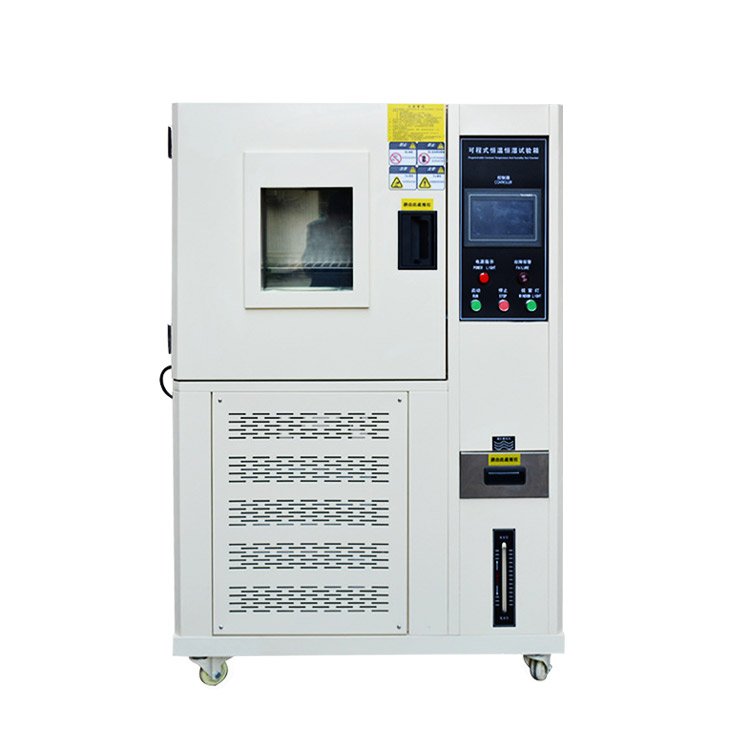
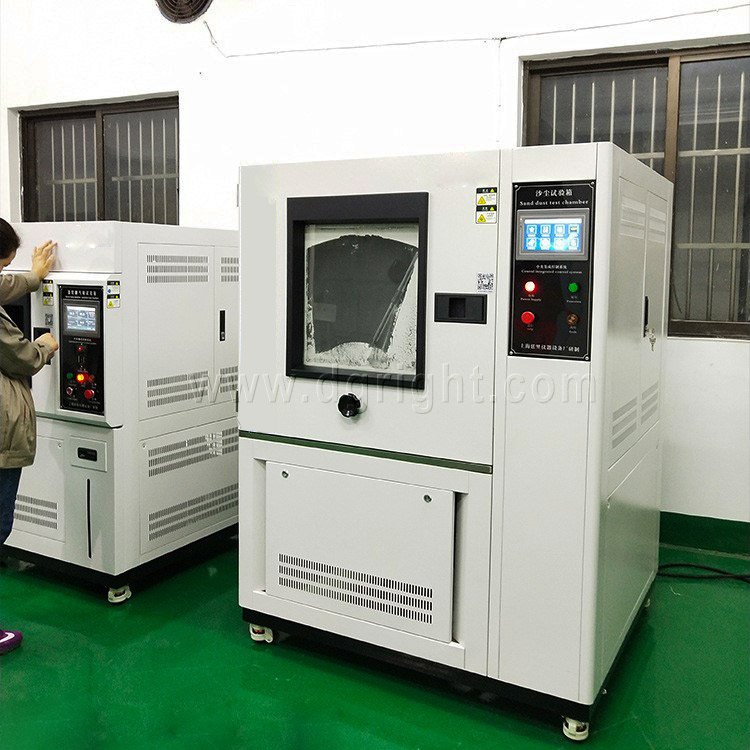
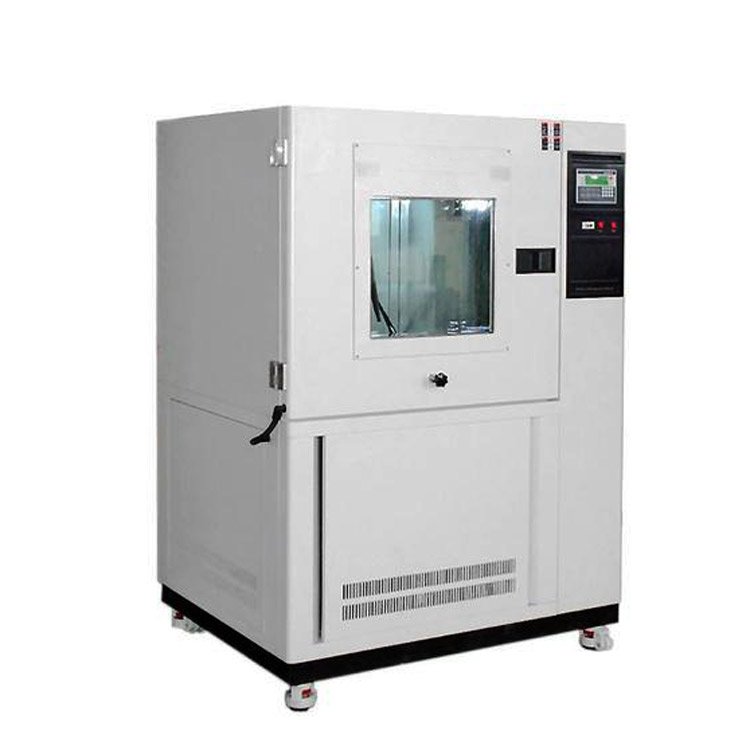
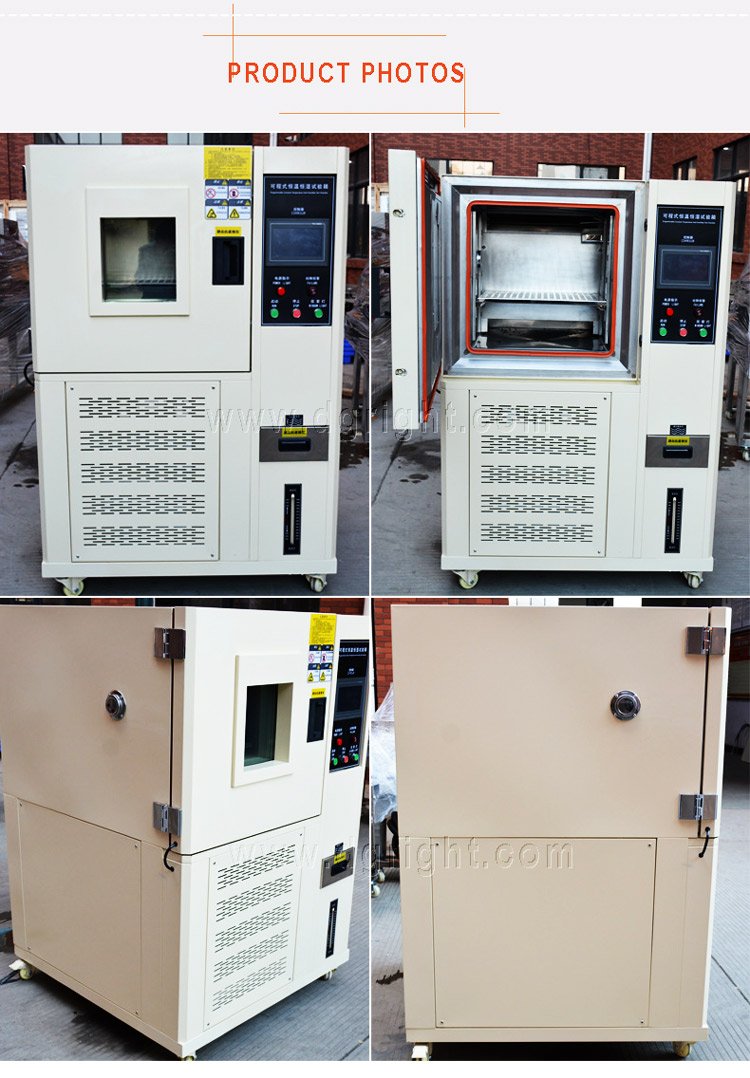
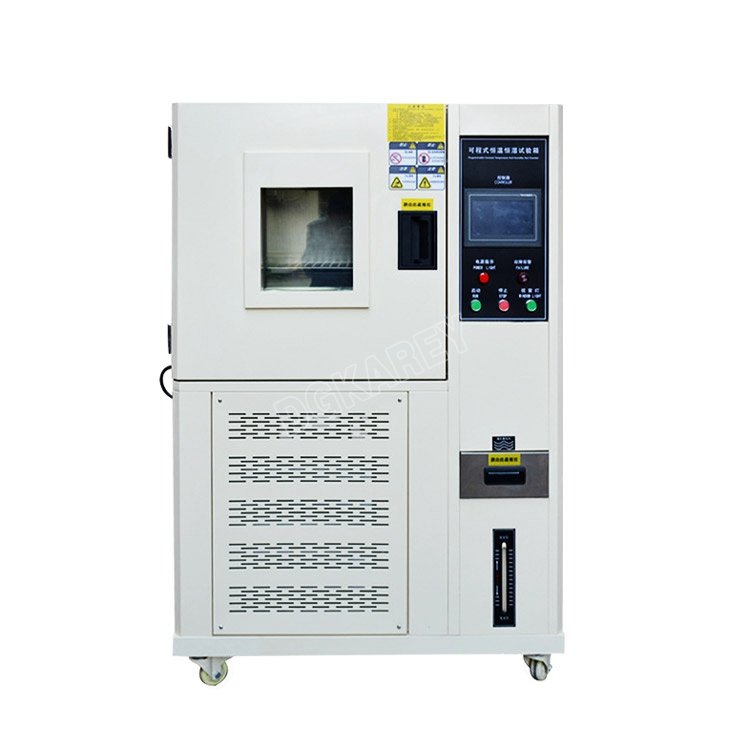
The KR‑315 programmable dust test chamber is a standard‑compliant environmental simulation device for assessing anti‑dust‑ingress and sealing performance of hardware assemblies. Following GB4706, GB2423, GB7000.1 and IEC 60529 specifications, it reproduces floating and circulating dust‑filled surroundings. It supports both constant‑pressure and variable‑pressure operating modes, and fulfils IP5X / IP6X dust‑proof evaluation demands.
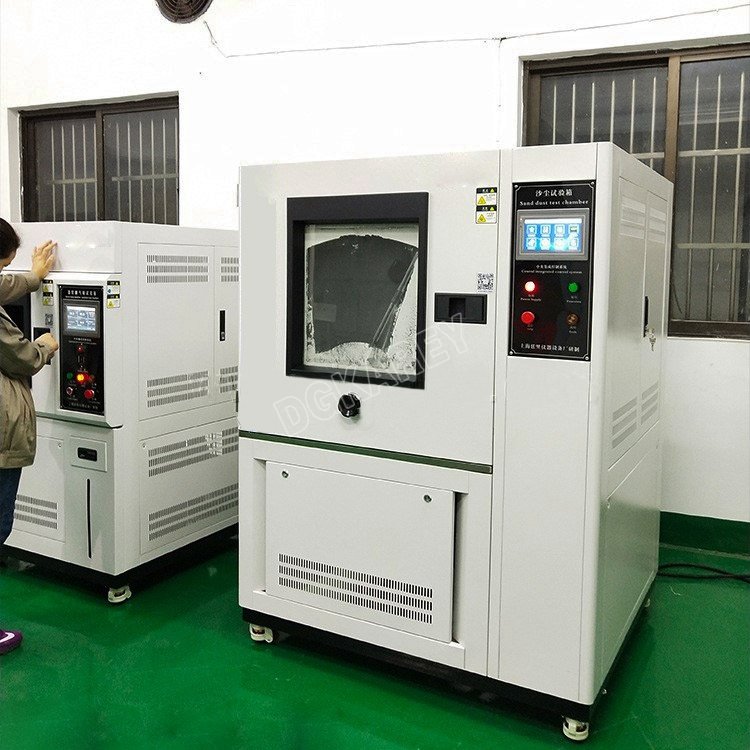
This floor‑standing unit is widely deployed for testing automotive components, lamp housings, household‑appliance enclosures, low‑voltage electrical cabinets, motorcycle parts and control‑module shells. It helps R‑D and QC teams verify sealing reliability, analyse dust‑caused mechanical failure, and provide objective data for product certification and structural optimisation.

Core Product Competitive Advantages
- Durable anti‑abrasion cabinet construction
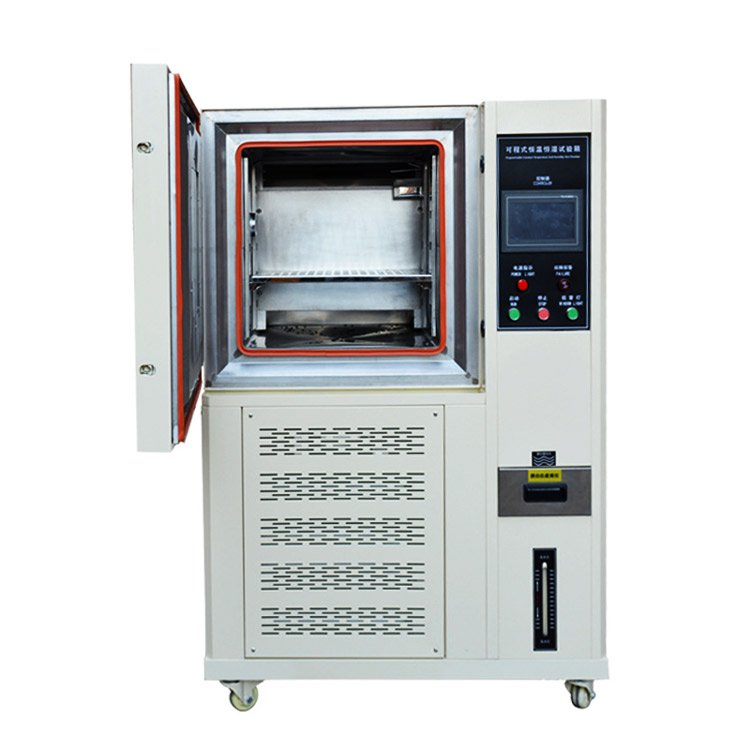
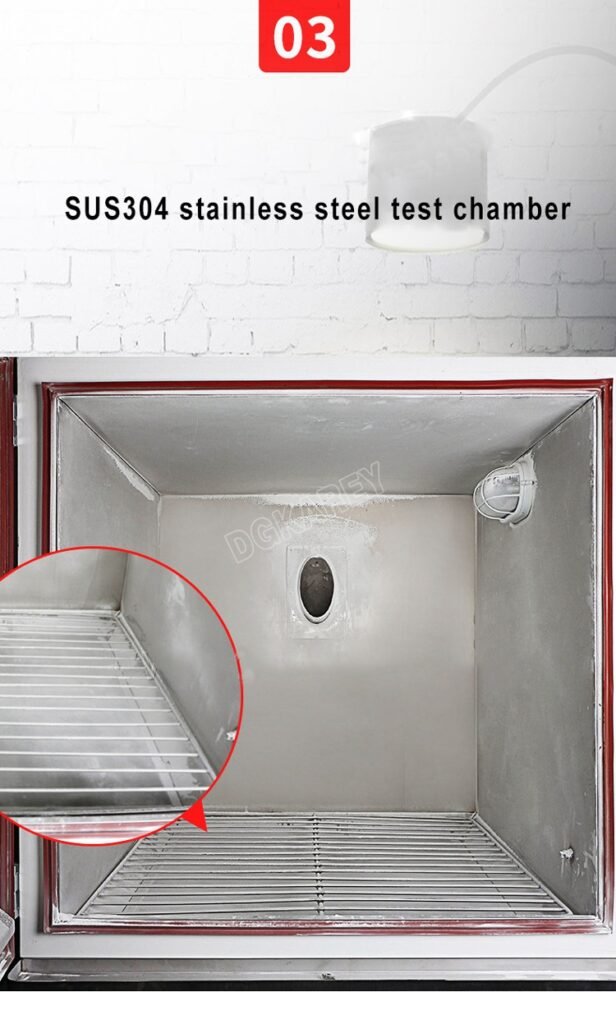
Inner working cavity adopts SUS304 stainless‑steel sheet, resisting erosion from talcum or cement test‑dust. Outer shell is finished with electrostatic powder‑coated steel plate. Well‑engineered door‑sealing gasket prevents fine‑particle leakage during long‑duration cyclic testing. Built‑in observation window plus internal lamp permit visual sample monitoring without interrupting test sequences.
- Programmable touch‑screen centralised control
Colour HMI touch‑screen manages dust‑blowing motor, dust‑shaking vibrator and full‑test‑timing logic. Operators configure blowing interval, circulation cycles and sample power‑supply timing. Real‑time read‑outs display key running‑parameters for straightforward recipe editing and repeatable test‑profile storage.
- Homogeneous dust‑circulation system
Variable‑frequency high‑pressure blower together with vibration unit prevents dust agglomeration. Dust is evenly suspended across the inner space. Integrated heating‑hose assembly keeps test‑media dry and avoids powder caking which would distort concentration consistency.
- Comprehensive sample‑test auxiliary interfaces
Reserved Φ50 mm feed‑through port with silicone plug allows external wiring for powered‑on specimen testing. On‑board adjustable DC12 V / DC24 V‑20 A output offers continuous or intermittent power supply for energised‑sample assessment. Differential‑pressure vacuum‑pipeline interface supports negative‑pressure‑suction test workflows (vacuum pump supplied by customer).
- Thoughtful mechanical & safety layout
Explosion‑proof‑style door‑handle with locking mechanism ensures tight closure. Equipped with brake‑equipped casters plus levelling feet for convenient relocation and stable static positioning. Multiple embedded sensors monitor temperature‑humidity and air‑speed. Multi‑layer protection prevents motor overload and abnormal operating conditions.
Complete Technical Parameter Table
| Parameter Item | KR‑315 Standard Specification |
|---|---|
| Inner Chamber Dimension | 800 × 800 × 800 mm |
| Outer Overall Dimension | 1130 × 1250 × 1650 mm |
| Standard Sieve Wire Diameter | 50 μm |
| Sieve Mesh Opening | 75 μm |
| Ambient Operating Condition | 15 ~ 45 ℃, 45 ~ 75 %RH |
| Dust Concentration Range | 2 ~ 4 kg/m³ |
| Permissible Test‑Duration | 0 ~ 999.9 hr programmable |
| Acceptable Test‑Media | Dry talcum powder / Portland cement powder |
| Input Power Supply | Three‑phase AC 380 V, 50 Hz |
Compliance Standards: GB4706, GB2423, GB7000.1, IEC 60529
Standard Complete Test Operating Workflow
- Pre‑Test Preparation
Place the chamber on level workshop ground, lock brake casters. Check door‑gasket integrity, blower, vibrator and sensor function. Load qualified dry test‑dust into the storage bin. Secure specimens onto internal mounting rack; route power / signal cables through reserved feed‑through hole if energised testing is required. Close and securely lock chamber door. Power‑on main unit.
- Program Configuration
On touch‑screen interface set target test‑duration, dust‑blow interval, vibration cycles, and sample‑power‑supply logic. Adjust blower frequency to achieve target dust‑concentration. Confirm vacuum‑pump connection if differential‑pressure test is needed.
- Execute Dust‑Ingress Test
Initiate saved test‑program. The system automatically runs dust‑blowing, vibration‑dispersion and circulation cycles. Operators may observe sample status via viewing window. Equipment stops automatically upon reaching preset test‑time.
- Post‑Test Sample Retrieval & Inspection
Before opening door, complete internal dust‑settling procedure. Open cabinet door, remove test‑pieces. Inspect enclosures and internal components for dust penetration, record sealing‑failure phenomenon for QC‑report.
- Post‑Test Tidying
Thoroughly clean residual test‑dust inside cavity, sieve and circulation‑duct. Check filter elements for clogging. Reset all program‑parameters. Shut‑down power if no further testing tasks. Periodically inspect door‑seal ageing condition and blower working‑status.
Wide Industrial Application Scenarios
Automotive‑Component Manufacturing Enterprises
Dust‑proof‑performance validation for headlights, door locks, seat‑adjustment assemblies, steering‑shaft components and automotive electrical housings; assess whether parts maintain functional safety under dusty service‑conditions.
Household‑Appliance & Lighting Factories
IP‑grade dust‑ingress testing for lamp‑products, control cabinets and low‑voltage‑electric‑device shells; support new‑product‑sealing‑structure development.
Electronic‑Hardware R‑D Departments
Study particle‑intrusion failure‑modes of sealed enclosures; optimise gasket‑design and assembly‑tolerance parameters.
Product‑Supervision‑Inspection Institutes
Carry‑out GB‑IEC‑compliant dust‑resistance verification for hardware‑component batches.
Third‑Party Accredited‑Testing‑Organizations
Conduct formal dust‑proof‑ingress assessment and generate inspection‑documents for product‑certification‑audits.
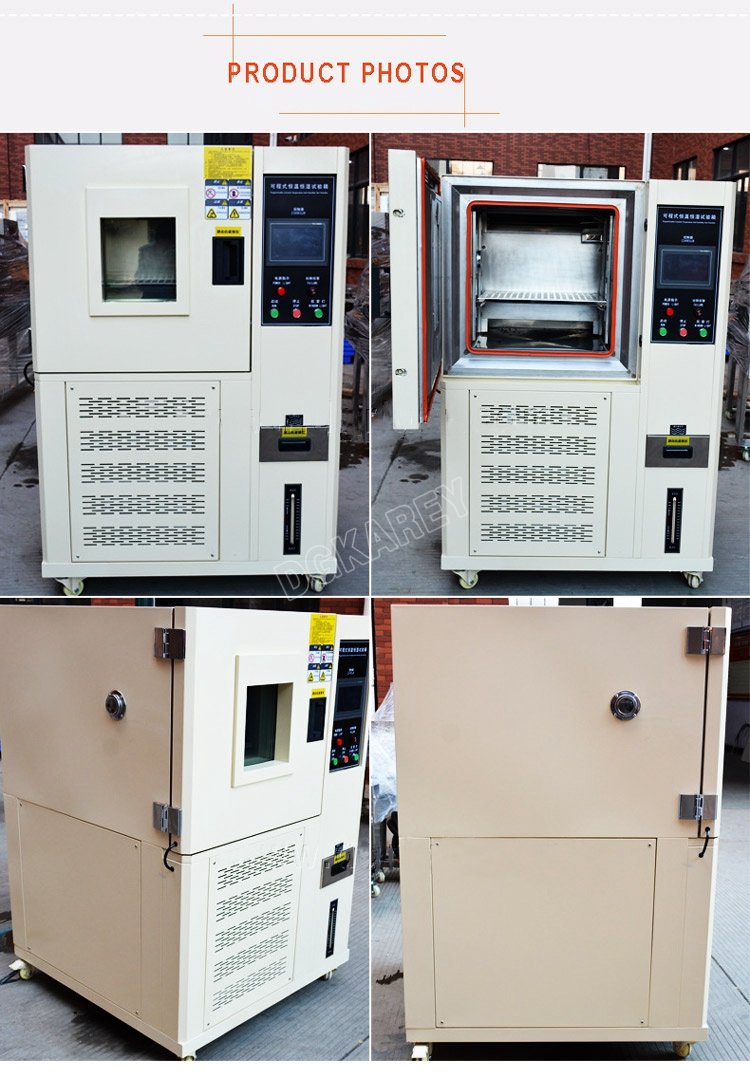
Standard Factory‑Full‑Delivery Kit
- KR‑315 dust‑proof test chamber main floor‑standing host‑unit
- Built‑in observation‑window, internal illumination lamp and dust‑vibration assembly
- Φ50 mm cable‑feed‑through port with silicone sealing‑plug
- Touch‑screen programmable HMI control‑module
- Power‑supply connecting‑cable for three‑phase‑power‑input
- Multilingual printed‑operation‑manual complying with GB‑IEC‑relevant‑test‑specifications
- Factory‑issued performance‑inspection‑certificate
Optional spare‑parts & custom‑options: extra replacement filter‑cartridges and door‑seal gaskets, custom‑chamber‑inner‑dimensions, overseas‑target‑voltage adaptation. (Vacuum pump is supplied by end‑user.)
Global Distributor & After‑Sales‑Support
We provide remote‑one‑on‑one operational guidance covering program‑recipe‑editing, dust‑media‑loading, vacuum‑interface‑usage and daily‑chamber‑cleaning‑maintenance. Spare‑parts stock includes sealing‑gaskets, filter‑inserts and sensor‑accessories. Bulk‑order customers can apply for custom‑power‑supply‑voltage variants for overseas‑market deployment. Regional‑exclusive‑agent privileges contain priority‑production‑scheduling, OEM private‑branding‑services and complete‑set high‑definition product‑marketing‑image‑resources.
Product‑Banner‑Marketing‑Slogan
KR‑315 Programmable Dust Test Chamber | IEC60529‑GB‑Compliant IP5X‑IP6X Hardware‑Automotive‑Component‑Dust‑Ingress‑Sealing‑Performance‑QC‑Testing‑Instrument
Core‑Feature‑Labels‑For‑Product‑Images
IEC60529‑GB4706‑GB2423‑Compliant,Programmable‑Dust‑Test‑Chamber,2‑4kg‑m³‑Dust‑Concentration,0‑999.9hr‑Programmable‑Test‑Time,SUS304‑Inner‑Chamber,Touch‑Screen‑Control,Dust‑Vibration‑&‑Heated‑Circulation‑Duct,Φ50mm‑Cable‑Feed‑Through‑Port,On‑Board‑Adjustable‑DC‑Sample‑Power‑Supply,Brake‑Caster‑&‑Levelling‑Feet,IP5X‑IP6X‑Test‑Capability,Automotive‑Lighting‑Electrical‑Enclosure‑Dust‑Ingress‑Sealing‑Reliability‑Evaluation
Safety‑Operation‑Reminder
Do not open chamber‑door while dust‑blowing‑cycle is running to avoid fine‑powder‑leakage into workshop‑environment. Confirm reliable three‑phase‑equipment‑grounding before power‑on. Wear dust‑protective‑gear when cleaning interior residual‑powder. Periodically inspect blower‑motor load and door‑gasket sealing performance. Vacuum‑pump shall follow its own independent‑safety‑operating‑specifications.

DGKAREY – Your Reliable Partner in Global Supply
We go beyond supplying testing equipment. Our team manages the full journey — from export procedures to delivery at your door — ensuring efficiency, transparency, and peace of mind.
Related products
-
KR‑326 Air‑Exchange Ventilated Thermal Aging Test Chamber
-

KR‑308A Series Benchtop UV‑Fluorescent Accelerated Weathering Test Cabinet
-
KR‑307A Xenon‑Arc Accelerated Weathering & Light‑Ageing Test Chamber
-
KR‑301 Touch‑Screen Programmable Constant‑Temperature Humidity Climatic Chamber
-

KR‑314 Multi‑Grade IP Water‑Ingress Test Chamber
-

KR‑308 Fluorescent UV Accelerated Weathering Chamber
-
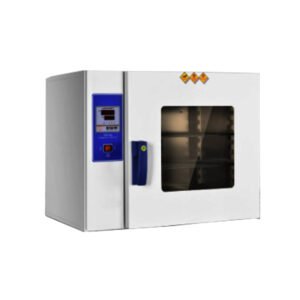
KR‑306 High‑Temperature Electric Blast Drying Oven
-

KR‑305 Anti‑Yellowing Aging Test Chamber