Product Overview
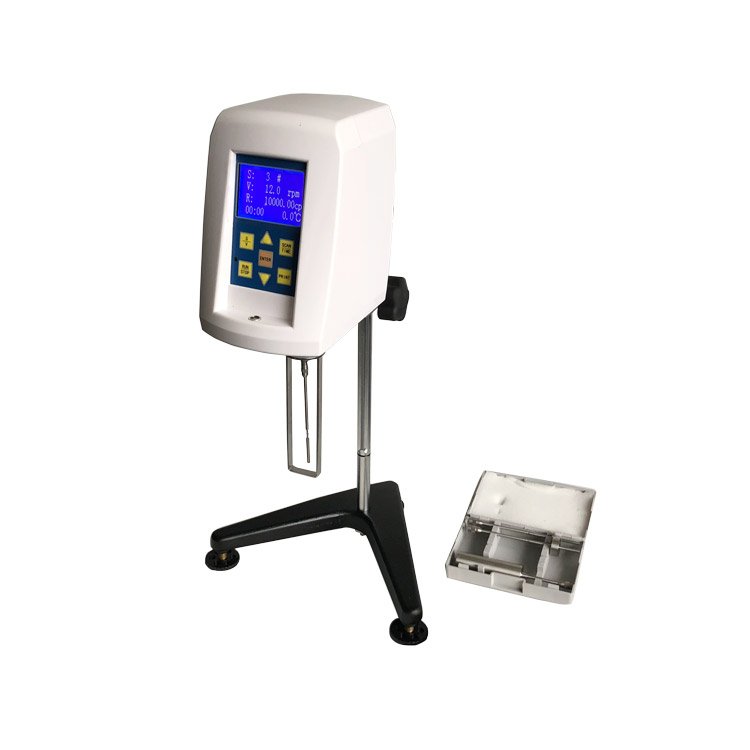
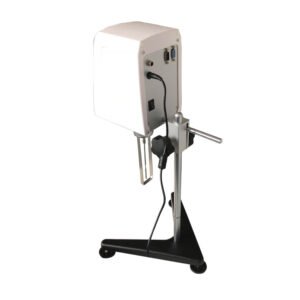
The KR‑1105 rotary viscometer series is a lab‑grade rotational viscosity measuring device following Brookfield measuring principle. It determines absolute viscosity values for Newtonian fluids and apparent viscosity for non‑Newtonian liquid samples.
The lineup includes two primary configurations: standalone KR‑1105A benchtop viscometer unit, and KR‑1105B integrated variant paired with precision thermostatic bath. By swapping different rotors and adjusting rotational speeds, the instrument covers broad viscosity spans from low‑viscosity solvents up to highly‑viscous pastes. It delivers reliable numerical outputs for incoming‑material inspection, formulation development and finished‑batch quality‑control. This equipment finds extensive deployment in paint & coating, adhesive, cosmetic, food‑processing, petrochemical, paper‑making and material‑research laboratories.
Core Product Competitive Advantages
- High‑Precision Torque‑Sensing & Multiple‑Speed Selection
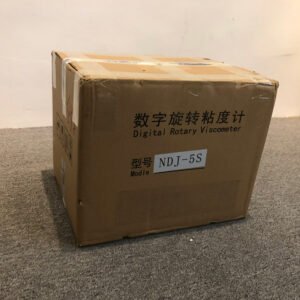
Stepper‑motor drives rotor with steady, vibration‑free rotation. The KR‑1105A‑NDJ‑5S provides 4 fixed rotational‑speed settings; KR‑1105A‑NDJ‑8S expands to 8‑speed options to match samples of widely‑differing fluid consistency. For low‑viscosity liquid testing, optional 0# rotor extends the lower measuring boundary. Measurement accuracy reaches ±1 % for Newtonian‑type fluids, with repeatability down to ±0.5 %.
- Backlit LCD Digital Readout & Rich Data‑Export Interfaces
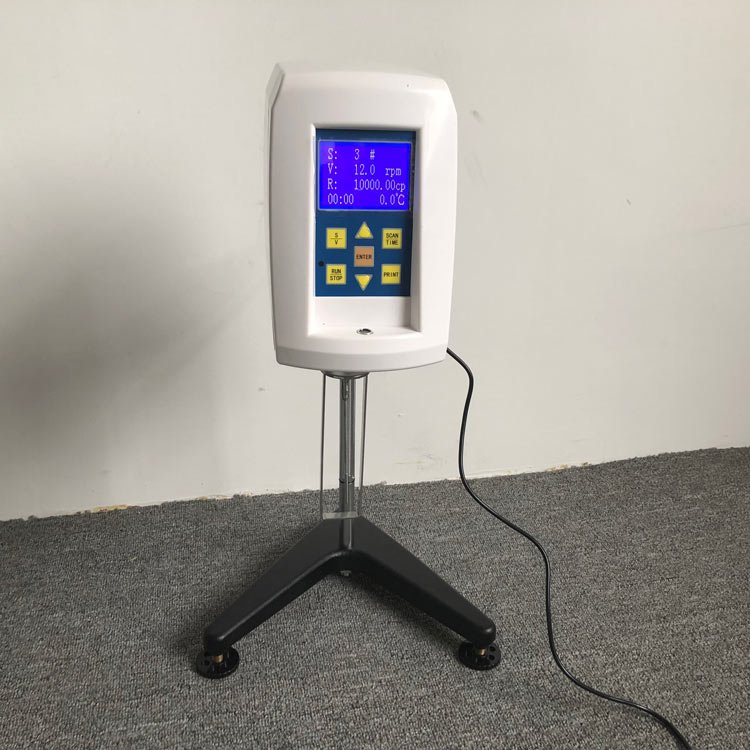
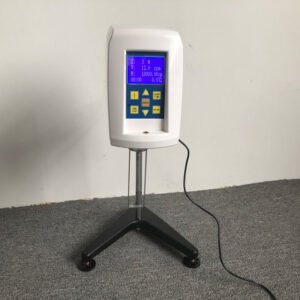
Blue‑backlight LCD simultaneously shows viscosity reading, selected rotor serial‑number, rotational speed and real‑time percentage torque value. Built‑in RS232‑C and USB communication ports enable data transmission to external computer terminals for data archiving, curve plotting and report generation.
- Flexible Stand‑Alone / Constant‑Temperature‑Bath Combined Operation
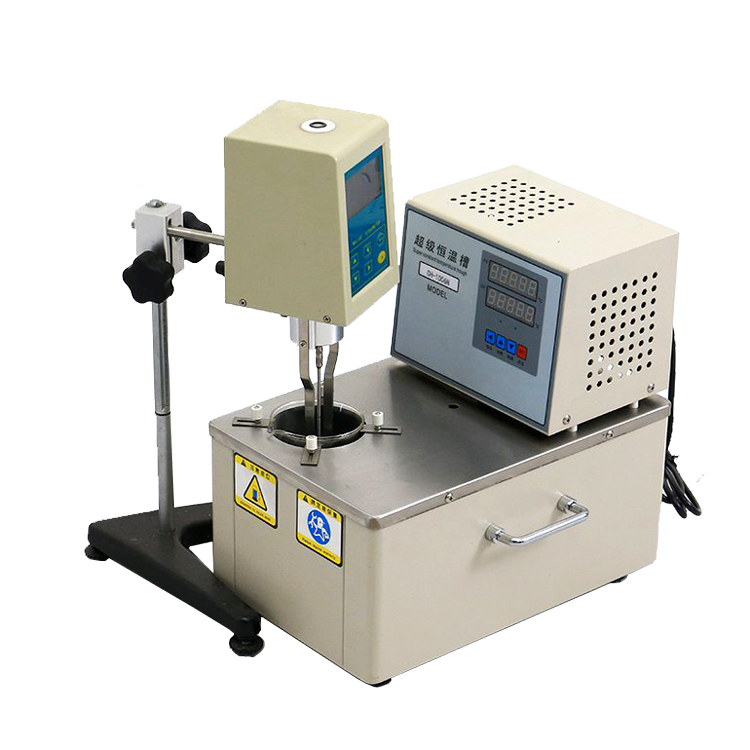
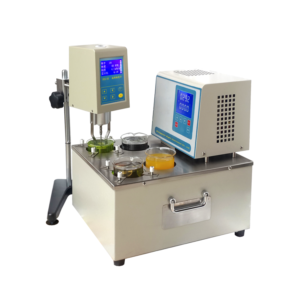
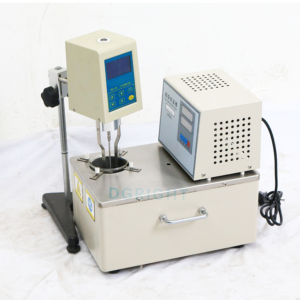
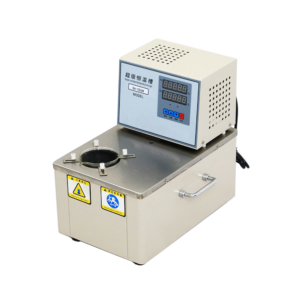
The KR‑1105A main unit works independently for room‑temperature viscosity assessment. When paired with KR‑1105B thermostatic circulating bath, users realise precise constant‑temperature sample conditioning. Single‑tank and four‑tank bath versions are selectable to hold standard 300 ml sample beakers, supporting stable viscosity testing under controlled thermal conditions.
- Complete‑Set Interchangeable Rotor Accessory Ecosystem
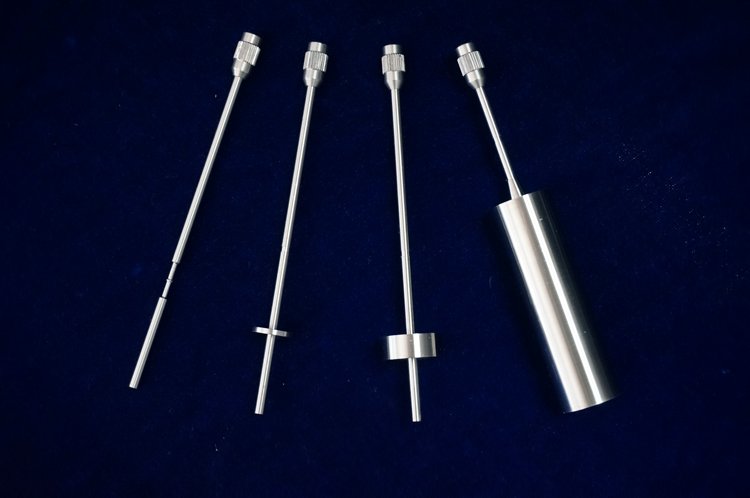
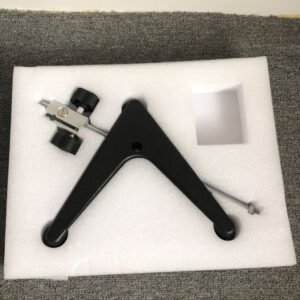
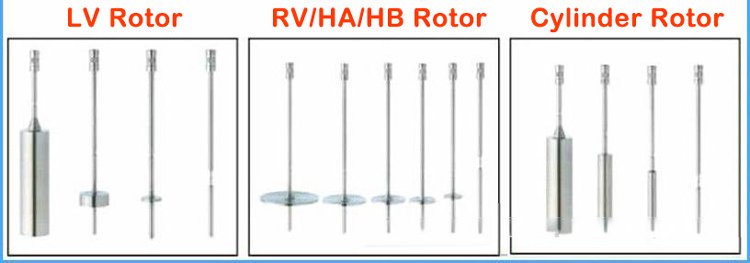
Standard delivery contains 1#,2#,3#,4# rotors plus rotor‑protection bracket. Optional accessories include 0# low‑viscosity adapter, special‑form rotor assemblies, external temperature‑probe and dedicated thermostatic sample cups, allowing adaptation for special‑sample test scenarios. Height‑adjustable tripod‑style instrument stand facilitates easy rotor‑leveling and sample‑depth fine‑tuning.
- Compact‑Form‑Factor & Global‑Voltage Compatibility
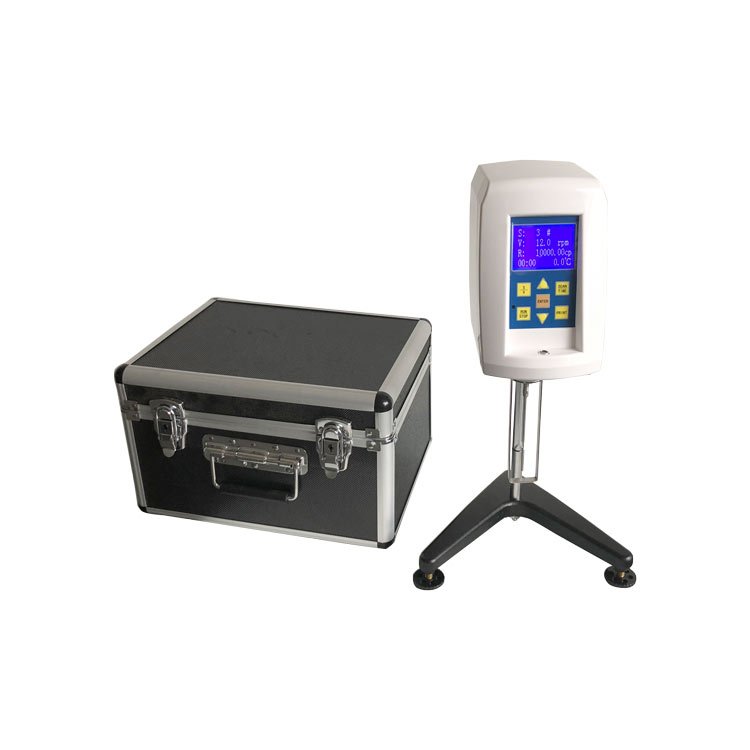
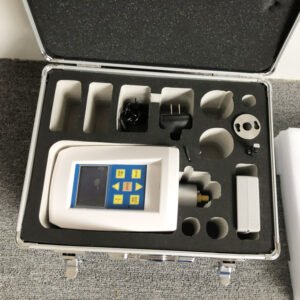
Light‑weight benchtop main‑unit occupies minimal lab‑bench footprint. Supports 110 V‑60 Hz or 220 V‑50 Hz power‑input, convenient for overseas‑laboratory deployment. All accessories can be stored inside custom‑hard‑shell carrying case for safe transportation between workstations.
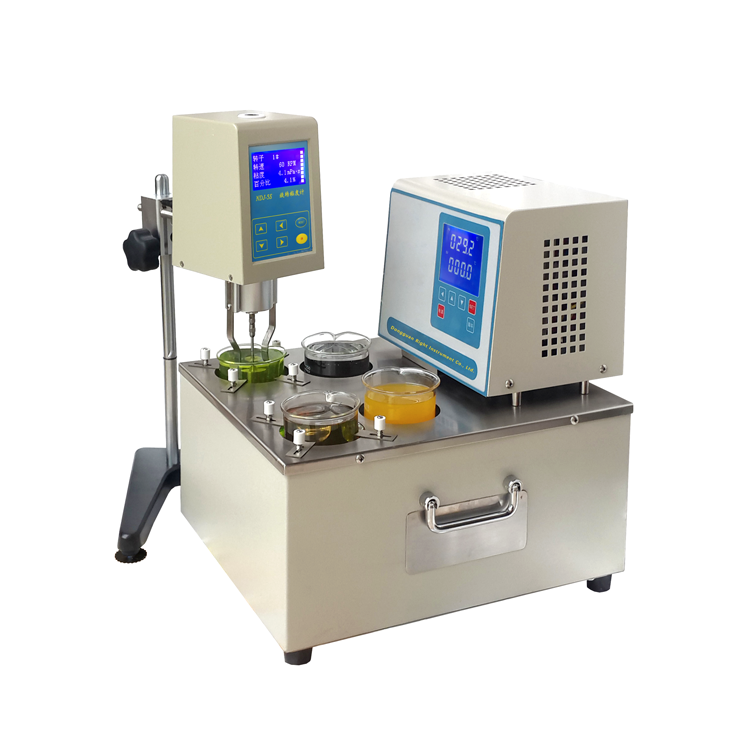
KR-1105B Digital Rotational Viscometer With Temperature Control Chamber
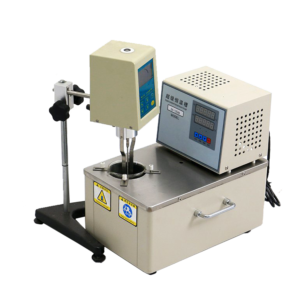
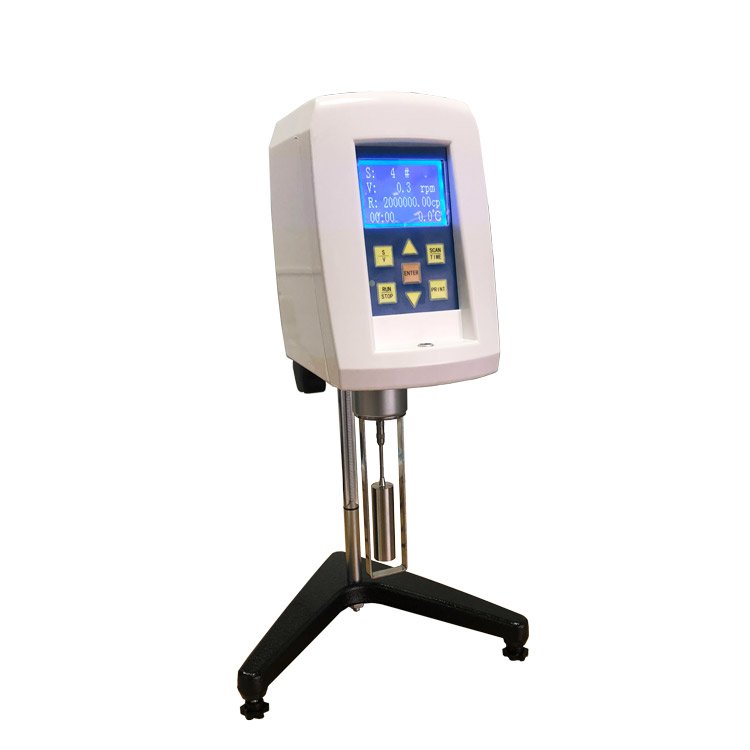
KR‑1105A Stand‑Alone Digital Rotary Viscometer
| Parameter Item | KR‑1105A‑NDJ‑5S | KR‑1105A‑NDJ‑8S |
|---|---|---|
| Viscosity Measuring Range | 0.1 ~ 100 000 mPa·s | 0.1 ~ 2 000 000 mPa·s |
| Rotational Speeds(r/min) | 6 / 12 / 30 / 60 | 0.3 / 0.6 / 1.5 / 3 / 6 / 12 / 30 / 60 |
| Standard Supplied Rotors | 1#, 2#, 3#, 4# (0# rotor as optional for ultra‑low‑viscosity measurement) | |
| Measuring Deviation (Newtonian liquid) | ±1 % full‑scale | |
| Repeatability Error (Newtonian liquid) | ±0.5 % | |
| Data Communication Interface | RS232‑C, USB | |
| Power‑Supply | 110V 60Hz / 220V 50Hz | |
| Package Dimension / Net‑Weight | 420 × 340 × 350 mm; 12 KG |
KR‑1105B Viscometer Matching Thermostatic Circulating Bath
| Parameter Item | KR‑1105B‑1 (Single‑Tank) | KR‑1105B‑4 (Four‑Tank) |
|---|---|---|
| Temperature‑Control Coverage | ‑5 ℃ ~ 100 ℃ | |
| Control Logic | Micro‑computer PID closed‑loop adjustment | |
| Temperature Uniformity | ±0.05 ℃ | |
| Temperature Display Resolution | 0.01 ℃ | |
| Inner‑Tank Volume | 6 L | 15 L |
| Opening Diameter | Φ70 mm | Φ80 mm ×4 |
| Liquid‑Circulation Mode | Internal circulation | |
| Circulating‑Flow Rate | 8 L/min | |
| Refrigeration Method | Compressor‑based mechanical refrigeration |
Standard Complete Test Operating Workflow
- Pre‑Test Preparation
Set viscometer main‑unit on tripod stand, level instrument by adjusting stand feet. Power‑on device and finish self‑diagnosis. Select appropriate rotor and rotational‑speed according to expected sample‑viscosity. If constant‑temperature measurement is needed, start KR‑1105B thermostatic bath, place sample beaker inside tank and wait for liquid‑sample to reach target thermal equilibrium.
- Rotor Mounting & Sample Loading
Screw selected rotor onto instrument drive‑shaft carefully. Immerse rotor into liquid sample until liquid‑level hits rotor marked immersion‑line. Make certain rotor runs without touching beaker bottom or side‑wall.
- Viscosity Measurement Execution
Initiate test sequence. Rotor rotates at preset speed. Observe torque‑percentage reading on LCD panel. Once numerical value stabilises, record displayed viscosity result. For non‑Newtonian fluids, perform comparative testing under multiple rotor‑speed combinations to document apparent‑viscosity change characteristics.
- Multi‑Sample Batch‑Testing
Change sample liquid; swap rotor when required, repeat measuring workflow. Save measurement datasets via USB / RS232‑C communication for computer‑side storage.
- Post‑Test Tidying
Power‑off equipment. Remove rotor, thoroughly clean and dry rotor surface to eliminate residual liquid‑sample contamination. Shut‑down thermostatic bath unit if used. Store rotors inside dedicated holder. Periodically inspect instrument horizontal‑level status and rotor‑shaft wear‑condition.
Wide Industrial Application Scenarios
Coatings, Inks & Adhesive Manufacturing Enterprises
Viscosity QC inspection for paints, printing‑ink, pressure‑sensitive adhesives and glue products; monitor batch‑to‑batch consistency and optimise raw‑material formulation parameters.
Cosmetic & Personal‑Care Product Factories
Apparent‑viscosity characterisation for creams, lotions, gels and emulsified cosmetic raw‑materials.
Food‑Processing & Beverage R&D Departments
Viscosity‑property evaluation for syrup, sauce and other food‑grade fluid and semi‑fluid substances.
Petrochemical & Chemical‑Material Laboratories
Measure viscosity of lubricants, polymer‑solutions and various chemical intermediate liquids.
Paper‑making & Textile‑Auxiliary‑Agent Factories
Viscosity testing for sizing‑agent, coating‑slurry and textile‑processing auxiliaries.
University Chemistry & Material‑Science Teaching‑Laboratories
Experimental‑teaching apparatus for liquid‑rheology‑property research.
Third‑Party Accredited‑Material‑Testing‑Organizations
Carry‑out rotational‑viscosity assessment and generate formal inspection‑documents for product‑certification‑audits.
KR-1105 Viscosity Measurement Tool
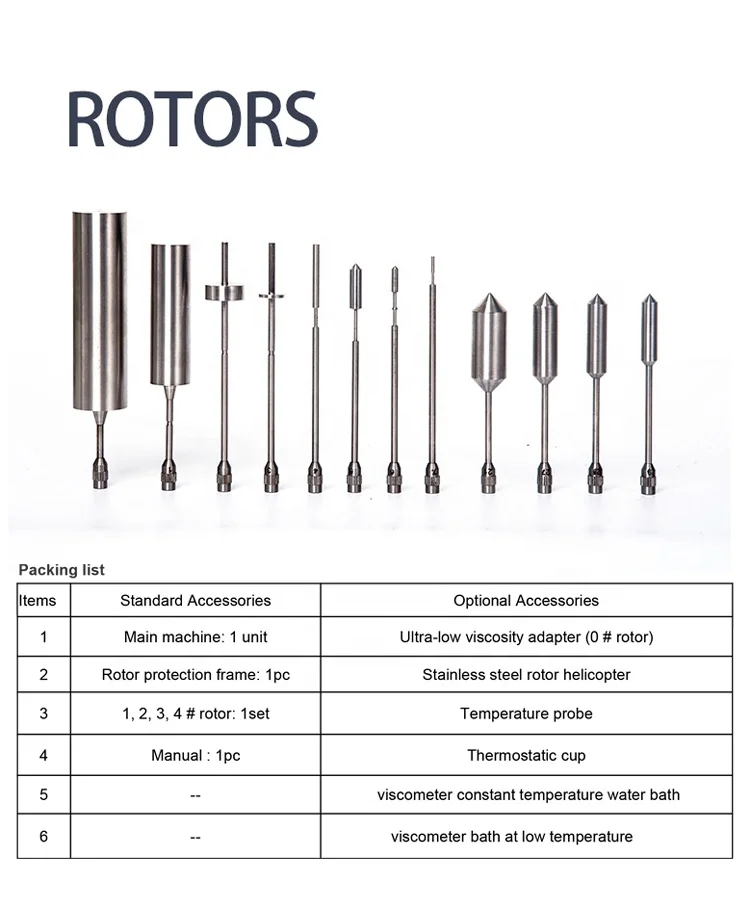
Standard Factory‑Full‑Delivery Kit
- KR‑1105 series rotary viscometer main‑unit (select A standalone / B bath‑integrated configuration)
- Tripod‑style adjustable instrument stand and rotor‑protection frame
- Standard‑set rotors: 1#,2#,3#,4#
- Power‑supply connecting‑cable
- RS232‑C & USB data‑transmission cable
- Multilingual printed‑operation‑manual
- Factory‑issued performance‑inspection‑certificate
Optional spare‑parts & custom‑options: 0# ultra‑low‑viscosity rotor, special‑spec rotor assemblies, external temperature‑sensor probe, thermostatic sample‑cup, KR‑1105B single‑/four‑position constant‑temperature bath, hard‑shell transport‑carrying‑case.
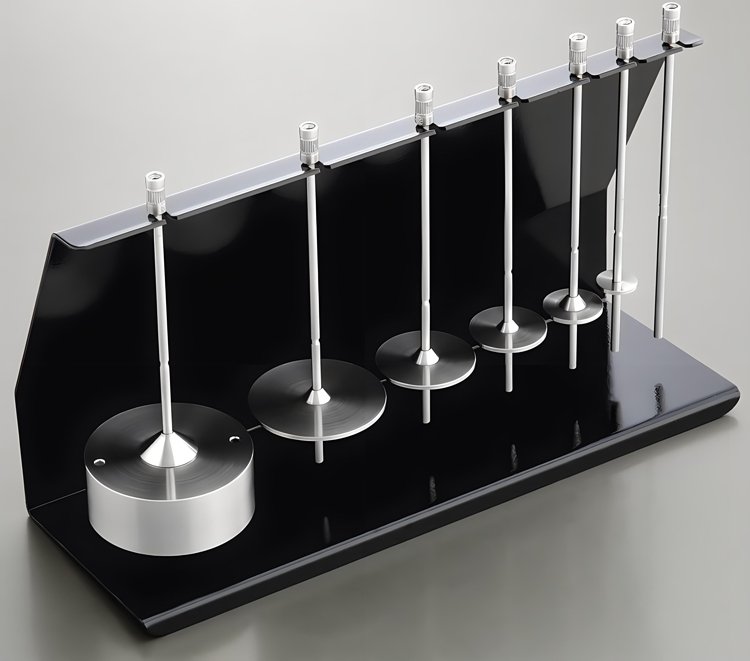
KR-1105 Brookfield Viscometer Spindle Selection Chart
Global Distributor & After‑Sales‑Support
We provide remote‑one‑on‑one operational guidance covering rotor‑selection, speed‑parameter‑setting, sample‑loading procedure, thermostatic‑bath operation and routine‑component‑cleaning‑maintenance. Spare‑parts stock includes rotor‑sets, stand‑accessories and communication‑cable‑components. Bulk‑order customers can apply for custom‑power‑supply‑voltage variants for overseas‑market deployment. Regional‑exclusive‑agent privileges contain priority‑production‑scheduling, OEM private‑branding‑services and complete‑set high‑definition product‑marketing‑image‑resources.
Product‑Banner‑Marketing‑Slogan
KR‑1105 Series Brookfield‑Style Digital Rotary Viscometer | 0.1‑2 000 000 mPa·s Benchtop Viscosity‑Meter Optional Constant‑Temperature Bath For Paint‑Adhesive‑Cosmetic‑Food‑Lab‑QC‑Testing
Core‑Feature‑Labels‑For‑Product‑Images
Brookfield‑Measuring‑Principle | Wide‑Viscosity‑Measuring‑Range | Multi‑Rotors‑&‑Multi‑Speed‑Options | ±1 % Measuring‑Accuracy ±0.5 % Repeatability | Blue‑Backlit‑LCD‑Display | RS232+USB‑Data‑Export | Stand‑Alone‑Or‑Thermo‑Bath‑Combination | Single‑/Four‑Tank‑Constant‑Temp‑Bath‑Option | Tripod‑Height‑Adjustable‑Stand | 0#‑Rotor‑For‑Low‑Viscosity‑Samples | Portable‑Hard‑Carry‑Case‑Available | Lab‑QC‑&‑R‑D‑Viscosity‑Evaluation
Safety‑Operation‑Reminder
Keep instrument strictly horizontal before measurement to avoid reading deviation. Prevent liquid‑sample from penetrating into main‑unit body. Handle rotors with care to avoid scratching rotor surface. Clean each rotor immediately after finishing measurement. Do not run rotor without being immersed inside liquid‑sample. Perform regular instrument‑check and calibration to guarantee measuring‑data‑credibility.

DGKAREY – Your Reliable Partner in Global Supply
We go beyond supplying testing equipment. Our team manages the full journey — from export procedures to delivery at your door — ensuring efficiency, transparency, and peace of mind.

