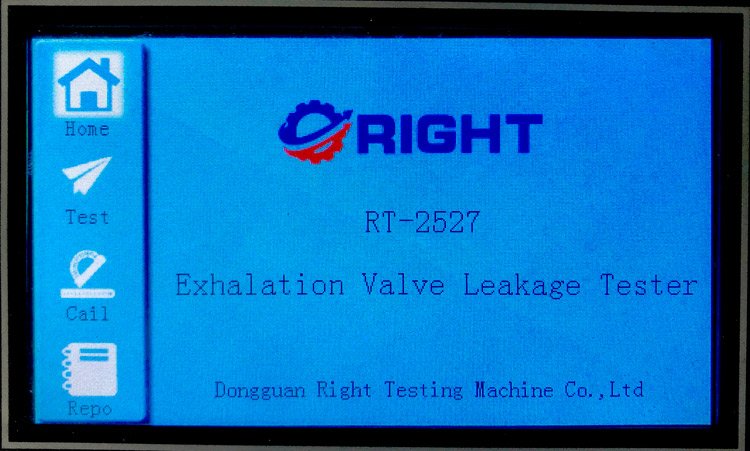
Product Overview
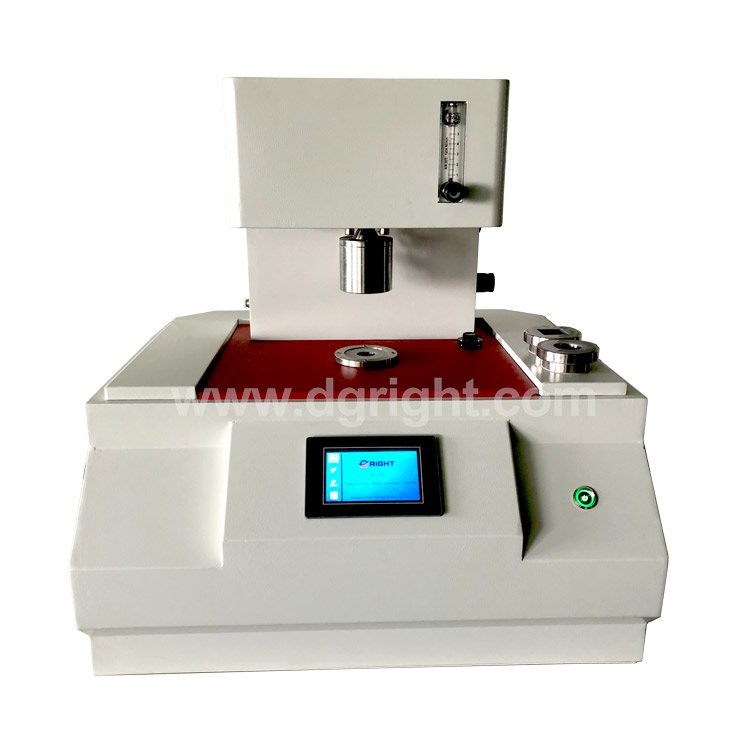
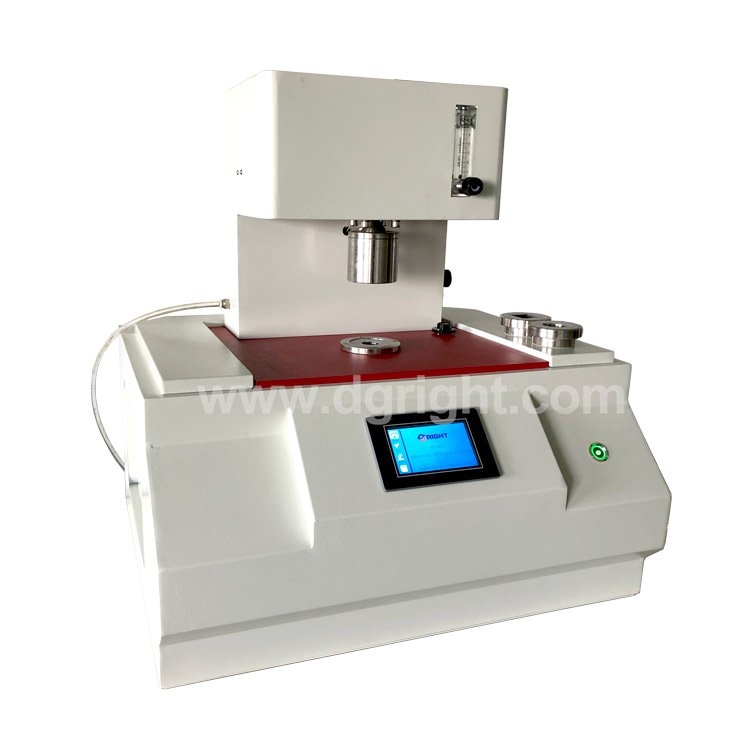
The KR‑2527 exhalation‑valve leakage‑measurement apparatus is dedicated laboratory PPE test equipment for self‑priming filter‑type anti‑particulate respirators. It quantitatively detects sealing‑performance of mask exhalation valves by measuring leakage‑flow under defined negative‑pressure conditions. Poor valve tightness will give rise to particle penetration risk and degrade overall protective capability of respirators.
This compact benchtop instrument creates stable negative‑pressure environment inside buffer chamber, applies specified vacuum condition onto test valve‑specimen, then captures real‑time leakage‑flow value via high‑precision flow‑sensing assembly. Operators can judge pass‑fail status for exhalation‑valve components. It follows GB 2626‑2006 respirator‑protection‑equipment test‑clauses and finds broad application in mask‑manufacturing plants, occupational‑safety‑inspection agencies, disease‑control institutes and third‑party personal‑protective‑equipment‑testing‑laboratories.
Core Product Competitive Advantages
- Intuitive high‑definition colour touch‑screen human‑machine‑interface
Graphical touch‑panel simplifies parameter setup, zero‑point calibration, data review and report‑output workflows. All real‑time pressure‑and‑flow readings are presented visually, lowering operational‑skill threshold for QC‑lab personnel.
- High‑sensitivity micro‑differential‑pressure sensing unit
Premium‑grade micro‑pressure sensor delivers precise pressure‑acquisition. It responds rapidly to subtle pressure‑variation produced by minor valve‑leakage, securing reliable raw‑data foundation for tightness‑evaluation.
- High‑accuracy gas‑flow monitoring assembly
Calibrated precision flow‑meter accurately quantifies volumetric‑leakage‑rate through defective exhalation‑valves, supporting objective numerical‑assessment instead of subjective qualitative‑judgement.
- Handy fine‑tuning pressure‑regulation mechanism
Built‑in pressure‑adjustment module allows operators to swiftly stabilise target negative‑pressure set‑point, shortening pre‑test stabilisation‑period and improving batch‑testing throughput.
- Integrated compact benchtop mechanical layout
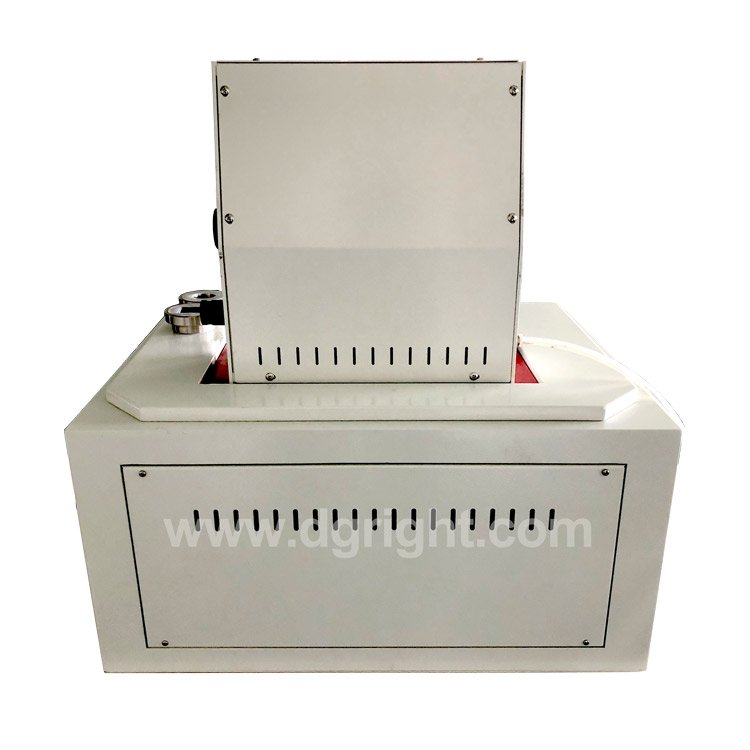
All functional‑modules including vacuum‑pump, buffer‑chamber, sensor‑group and touch‑screen controller are consolidated within one‑piece cabinet. Small footprint fits standard lab‑bench space for routine incoming‑material‑inspection and finished‑product‑batch‑verification.
Complete Technical Parameter Table
| Parameter Item | KR‑2527 Standard Specification |
|---|---|
| Buffer‑Chamber Effective Volume | ≥5 L |
| Micro‑Differential‑Pressure Measuring‑Range | ‑1000 Pa ~ 0 Pa; Accuracy:1 %FS; Resolution:1 Pa |
| Vacuum‑Pump Rated Pumping‑Speed | Approx. 2 L/min |
| Leakage‑Flow‑Meter Measuring‑Range | 0‑100 mL/min |
| Overall Outer Dimension(L×W×H) | 500 × 450 × 620 mm |
| Complete‑Machine Net‑Weight | 30 KG |
| Power‑Supply Condition | AC 220V 50 Hz, rated power 150 W |
Compliance Standards: GB 2626‑2006 Respiratory protective equipment, self‑priming filter‑type anti‑particulate respirator
Standard Complete Test Operating Workflow
- Pre‑Test Preparation
Place unit on level laboratory‑bench surface. Switch‑on mains‑power‑supply. Execute sensor zero‑calibration via touch‑screen interface. Inspect buffer‑chamber sealing‑condition and vacuum‑pump pipeline connections. Prepare exhalation‑valve specimens for batch‑inspection.
- Specimen Mounting
Secure exhalation‑valve sample onto dedicated fixture seat. Confirm mounting interface achieves full air‑tight sealing without peripheral‑leakage, preventing extra‑leakage signals which would distort final measuring‑results.
- Initiate Air‑Tightness‑Leakage Measurement
Trigger test‑start command. Vacuum‑pump builds‑up specified negative‑pressure inside buffer‑chamber. System continuously collects pressure‑signal and leakage‑flow‑rate data. Touch‑screen displays real‑time test‑readings throughout measuring‑phase.
- Test Completion & Result‑Judgement
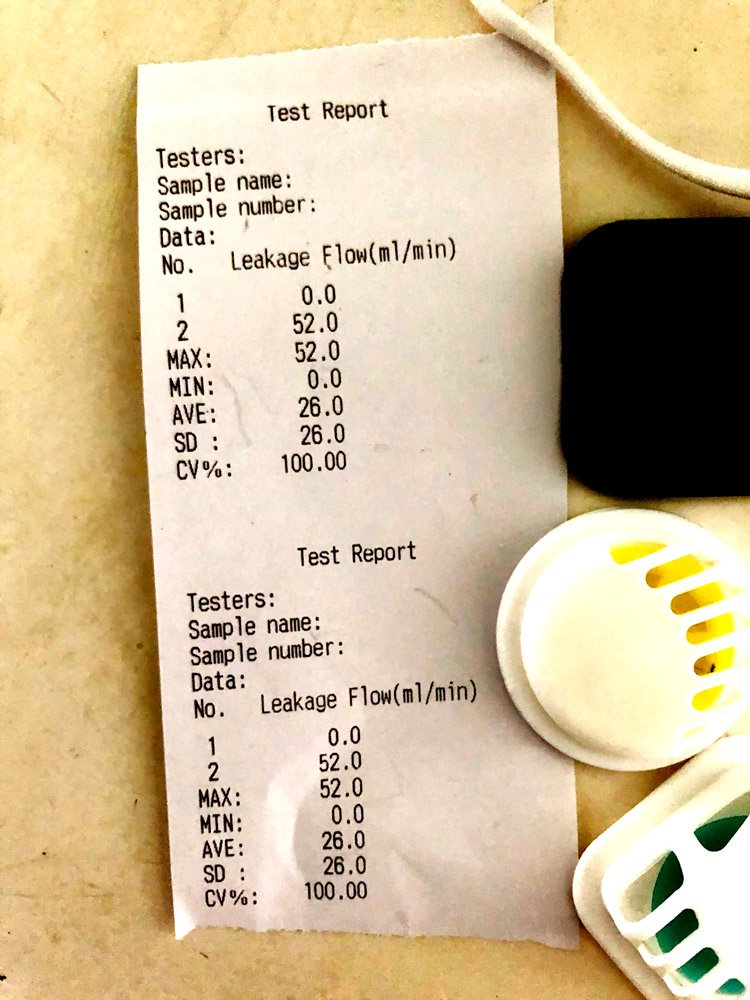
Once measurement cycle concludes, instrument outputs final leakage‑flow numerical‑value. Compare reading against standard‑specified threshold to complete pass‑fail evaluation. Save dataset or print test‑report as lab‑document‑filing‑requirements.
- Post‑Test Tidying
Dismantle tested valve‑specimen from fixture seat. Clear dust and debris from sealing‑contact surfaces. Shut‑down equipment power‑supply after finishing all‑batch‑tests. Periodically verify sensor‑calibration‑status and check pipeline‑sealing‑integrity.
Wide Industrial Application Scenarios
Respirator & PPE‑Component Manufacturing Enterprises
Batch‑quality‑control inspection for exhalation‑valve parts of self‑absorbing filter‑type particulate‑respirators; screen component‑defects during incoming‑material‑check and finished‑goods‑release‑procedure.
Mask‑Accessory R‑D Departments
Assess sealing‑performance of newly‑developed exhalation‑valve structural‑solutions; optimise diaphragm‑material and valve‑seat‑matching‑design.
Occupational‑Safety & Disease‑Control‑Related‑Institutes
Carry‑out GB 2626‑2006‑compliant valve‑air‑tightness verification for respiratory‑protective‑products.
University Safety‑Protection‑Material‑Research‑Laboratories
Experimental‑teaching‑instrument for studying respirator‑valve‑sealing‑mechanism and PPE‑component‑reliability‑performance.
Third‑Party Accredited‑PPE‑Testing‑Organizations
Conduct formal exhalation‑valve‑leakage‑assessment and generate inspection‑documents for product‑certification‑audits.
Standard Factory‑Full‑Delivery Kit
- KR‑2527 mask exhalation‑valve air‑tightness‑tester main‑benchtop‑unit
- Special‑purpose exhalation‑valve mounting‑fixture assembly
- Built‑in vacuum‑pump and ≥5L buffer‑chamber module
- Micro‑differential‑pressure‑sensor & 0‑100 mL/min precision‑flow‑meter assembly
- Colour touch‑screen control‑panel
- Power‑supply connecting‑cable
- Multilingual printed‑operation‑manual complying with GB 2626‑2006‑test‑specifications
- Factory‑issued performance‑inspection‑certificate
Optional spare‑parts & custom‑options: alternative‑spec valve‑fixture kits, replacement sealing‑gaskets, special‑voltage power‑supply‑adaptation.
Global Distributor & After‑Sales‑Support
We provide remote‑one‑on‑one operational guidance covering specimen‑fixture‑installation, pressure‑parameter‑setting, sensor‑zero‑calibration and routine‑preventive‑maintenance. Spare‑parts stock includes sealing‑gaskets, fixture‑accessories and sensor‑spare‑parts. Bulk‑order customers can apply for custom‑power‑supply‑voltage variants for overseas‑market deployment. Regional‑exclusive‑agent privileges contain priority‑production‑scheduling, OEM private‑branding‑services and complete‑set high‑definition product‑marketing‑image‑resources.
Product‑Banner‑Marketing‑Slogan
KR‑2527 Respirator Exhalation‑Valve Air‑Tightness‑Leakage‑Tester | GB2626‑2006‑Compliant Benchtop Leak‑Flow‑Measuring‑Instrument For Mask‑Valve‑Component‑QC‑Certification‑Testing
Core‑Feature‑Labels‑For‑Product‑Images
GB2626‑2006‑Standard‑Compliant | Exhalation‑Valve‑Air‑Tightness‑Test | ≥5L Buffer‑Chamber | ‑1000Pa‑0Pa Micro‑Pressure‑Sensor | 0‑100mL/min High‑Precision‑Flow‑Meter | 2L/min Vacuum‑Pump | Colour‑Touch‑Screen‑Control | Real‑Time‑Pressure‑&‑Flow‑Readout | Convenient‑Pressure‑Regulation | Dedicated‑Valve‑Mount‑Fixture | Compact‑Benchtop‑Layout | PPE‑Mask‑Component‑Quality‑Evaluation
Safety‑Operation‑Reminder
Make‑sure all pipeline‑joints and fixture‑sealing‑surfaces keep leak‑free before starting‑each‑test‑run. Conduct periodic sensor‑zero‑calibration to guarantee measuring‑data‑credibility. Avoid foreign‑particles contaminating sealing‑gasket surfaces. Ensure reliable equipment‑grounding before power‑on.

DGKAREY – Your Reliable Partner in Global Supply
We go beyond supplying testing equipment. Our team manages the full journey — from export procedures to delivery at your door — ensuring efficiency, transparency, and peace of mind.
Related products
-

KR‑2536 Mask Particulate Protection Performance Test System
-

KR‑2522 Medical & Protective Mask Flammability Tester
-

KR‑2516 Mask Differential‑Pressure (Air‑Exchange Resistance) Tester
-

KR‑2506 Walk‑Through Non‑Contact Infrared Body‑Temperature Screening Gate
-

KR‑2504 Continuous‑Flow Tunnel‑Type UVC Ultraviolet Sterilisation System
-

KR‑2501 PFE Particle Filtration Efficiency Tester
-

KR‑2507 Mask Synthetic‑Blood Penetration Tester
-

KR‑2518 Non‑Woven Electrostatic Decay Tester