Product Overview
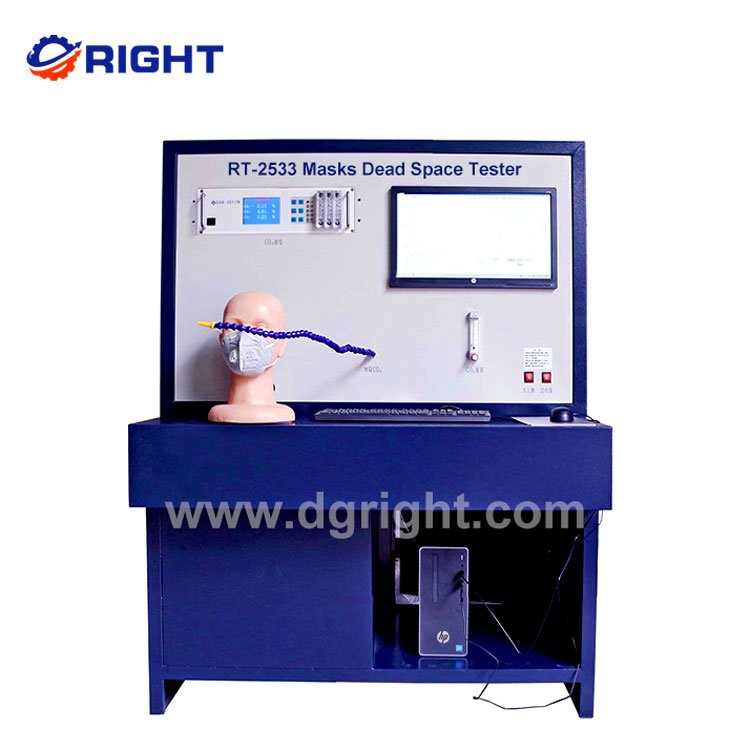
The KR‑2533 dead‑space evaluation apparatus is dedicated PPE‑testing equipment for respiratory protective masks. It assesses the dead‑space performance by measuring carbon‑dioxide volume‑fraction inside inhaled gas, simulating real‑human breathing cycles on standard anthropomorphic head‑form国家标准化….
During simulated respiration, the system feeds calibrated CO₂‑rich exhaled gas into the mask cavity, and continuously samples gas from the inhalation path to analyse residual carbon‑dioxide content. This metric reflects the level of re‑breathing of previously exhaled gas inside the mask chamber, a critical safety indicator for self‑priming filter‑type particulate respirators. Compliant with GB 2626‑2019 test clauses, this bench‑style integrated unit is widely adopted by mask‑manufacturing plants, PPE‑R&D labs, medical‑device‑inspection institutions and accredited third‑party safety‑testing‑laboratories
Core Product Competitive Advantages
- Fully‑automated PC‑program‑driven test workflow
The whole measurement sequence including data capture, real‑time CO₂‑value recording and final‑result computation is completed automatically by software. Operators avoid manual‑logging errors; test‑progression can be directly visualised on computer display for straightforward lab‑operation.
- Flexible breathing‑parameter digital configuration
Breathing frequency and tidal‑ventilation volume do not require hardware‑mechanical readjustment. Users input target parameters on software interface to realise fast modification, supporting varied simulated‑breathing‑conditions for diverse mask‑product evaluations.
- Solenoid‑valve‑group synchronised breathing‑channel switching
Electromagnetic‑valve array precisely synchronises gas‑path switching actions together with breathing‑simulator movement. Inhalation‑exhalation channel switching keeps highly consistent with simulated‑respiration rhythm to guarantee authentic test‑condition and reliable measured‑data.
- Complete data‑archiving & auto‑report‑generation capability
All runtime‑sampled datasets are stored locally on computer storage. Operators can review full‑process historical‑curves any time after finishing trials. Standard‑format test‑reports can be generated and printed out directly to satisfy laboratory‑document‑filing‑demands.
- Integrated bench‑type cabinet layout
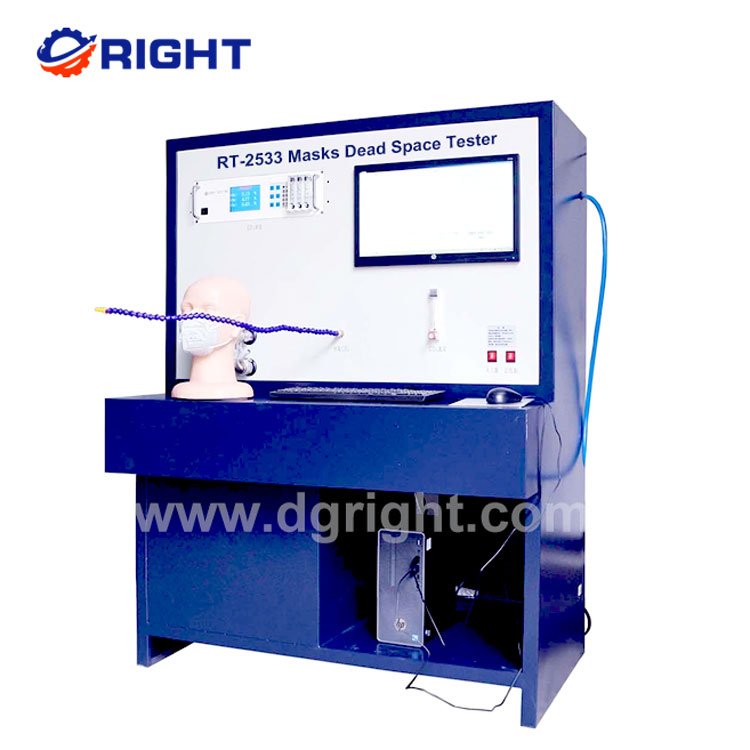
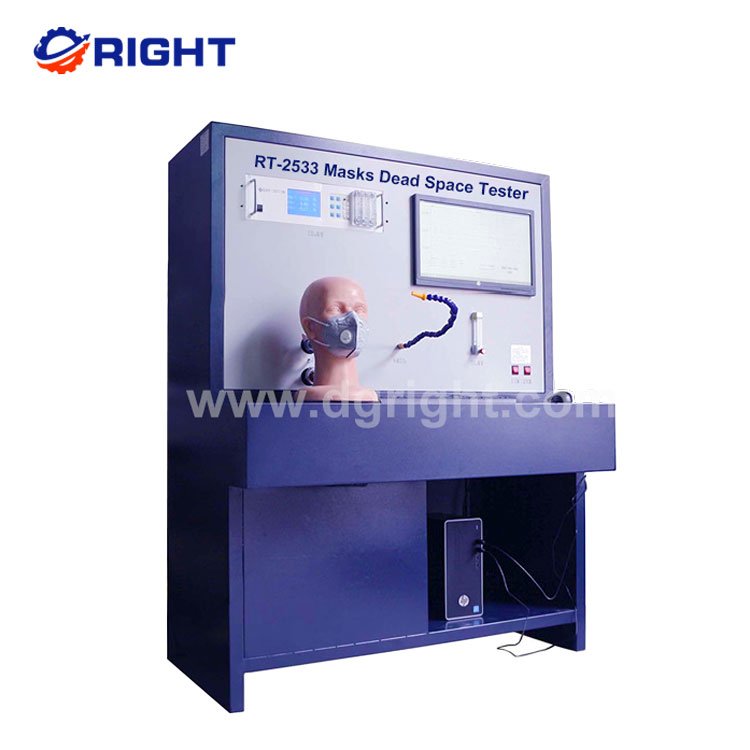
All functional assemblies including breathing‑simulator, CO₂‑analyser, flow‑monitoring modules and head‑form fixture are assembled on one sturdy work‑bench cabinet. Wiring‑layout is well‑organised for convenient lab‑site installation and routine inspection.
Complete Technical Parameter Table
| Parameter Item | KR‑2533 Standard Specification |
|---|---|
| Simulated Breathing‑Frequency Adjustable Range | 10‑40 cycles / min |
| Simulated Tidal‑Volume Range | 0.5‑3.0 L |
| Standard Reference Breathing Setting | 20 cycles / min; tidal‑volume 1.5 L |
| Supplied CO₂ Gas‑Source Volume‑Fraction | 5.0 ± 0.1 % |
| CO₂ Flow‑Meter Max Range | ≥40 L/min |
| CO₂ Gas‑Analyser Measuring‑Range | ≥12 %; measuring accuracy: 0.1 % |
| Ambient Air‑Circulation Fan Wind‑Speed | 0.5 m/s |
| Real‑Time Output | Automatic calculation & display of inhaled‑gas CO₂ volume‑fraction |
| Power‑Supply | AC 220V 50 Hz |
Compliance Standards: GB 2626‑2019 Respiratory protection equipment, self‑priming filter anti‑particulate respirator
Standard Complete Test Operating Workflow
- Pre‑Test Preparation
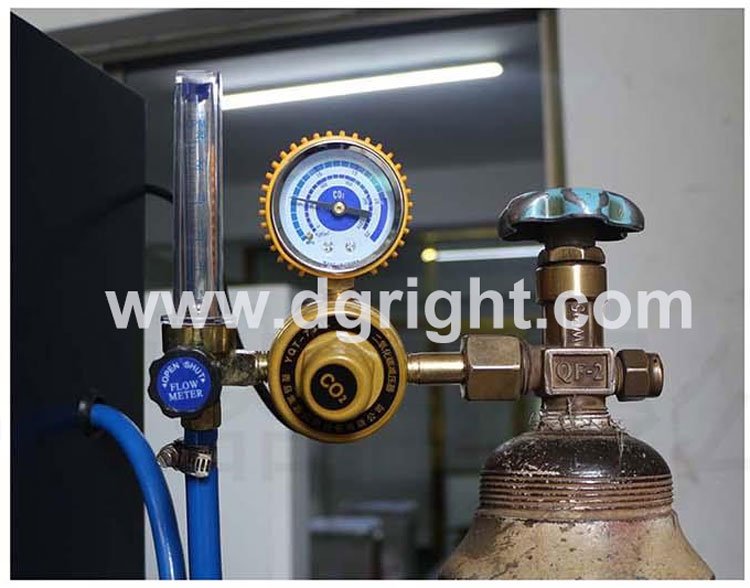
Place integrated bench‑unit on level lab‑floor. Complete mains‑power‑connection, check CO₂ gas‑cylinder piping, pressure‑regulator and flow‑meter assembly. Boot‑up computer and launch dedicated test‑software. Confirm CO₂‑analyser completes warm‑up and zero‑calibration. Configure breathing‑frequency and tidal‑volume parameters according to standard‑test‑requirements.
- Specimen Mounting
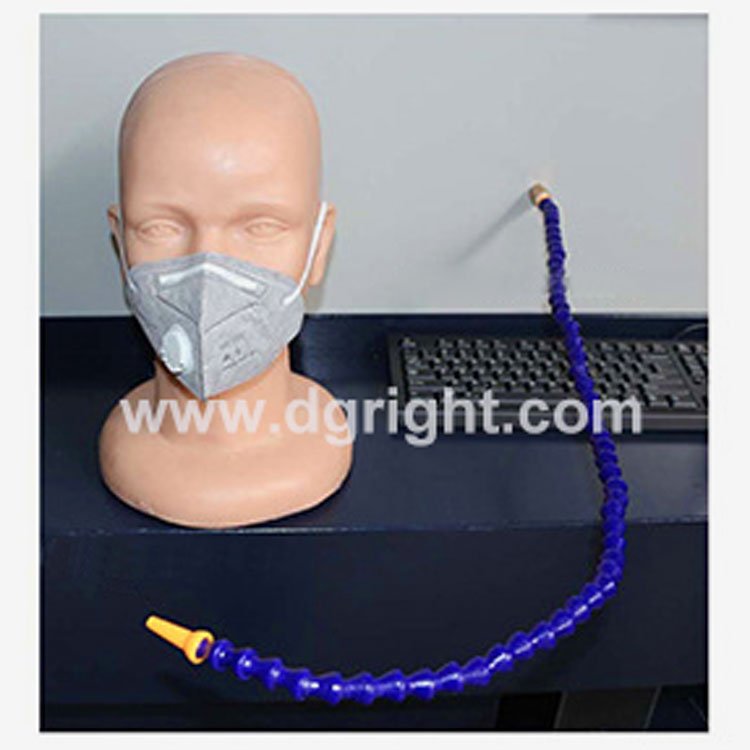
Fit test‑respirator securely onto standard anthropomorphic head‑form. Adjust mask‑straps to achieve proper face‑sealing status as per real‑wearing‑condition. Inspect all sampling‑tube connections for tight‑seal and leakage‑free.
- Initiate Automated Dead‑Space Measurement
Open CO₂ gas‑supply valve. Trigger test‑start command. Breathing‑simulator runs preset inhalation‑exhalation cycles; solenoid‑valve group synchronously switches gas‑paths. The analyser continuously captures CO₂ concentration of re‑breathed inhaled‑gas inside mask cavity. Software renders real‑time data‑trend‑curves.
- Test Completion & Result‑Processing
When full test‑sequence finishes, system stops gas‑supply and breathing‑simulator automatically. Review calculated dead‑space value (CO₂ volume‑fraction of inhaled gas) on software interface. Save raw‑data or output printed‑test‑report for quality‑document‑archiving.
- Post‑Test Tidying
Close CO₂ cylinder main‑valve, release residual pipeline‑gas pressure. Dismantle mask‑specimen from head‑form. Shut‑down instrument hardware and test‑software. Periodically calibrate CO₂‑analyser and inspect solenoid‑valve working‑status for measurement‑accuracy maintenance.
Wide Industrial Application Scenarios
Respirator & PPE Manufacturing Enterprises
Mandatory dead‑space performance QC‑assessment for self‑priming filter‑type particulate respirators, applied for finished‑product batch‑inspection and new‑mask‑product‑development‑validation.
Filter‑Material & Mask‑Component R‑D Departments
Evaluate the influence of mask‑shell structural‑design, valve‑parts layout on re‑breathing dead‑space indicator, optimise internal‑cavity layout solution.
Medical‑Device & Occupational‑Safety‑Related‑Institutes
Carry‑out GB 2626‑2019‑compliant mask‑dead‑space performance‑verification for product‑certification‑projects.
University Safety‑Protection‑Material‑Research‑Laboratories
Teaching‑research‑experimental‑platform for studying respirator‑breathing‑ergonomics and internal‑cavity‑gas‑exchange‑mechanisms.
Third‑Party Accredited‑PPE‑Testing‑Organizations
Conduct formal dead‑space‑testing and issue inspection‑documents for respiratory‑protective‑equipment‑certification‑audits.
Standard Factory‑Full‑Delivery Kit
- KR‑2533 mask dead‑space‑tester integrated bench‑main‑unit
- Standard anthropomorphic test‑head‑form assembly
- Electric breathing‑simulator plus synchronous solenoid‑valve‑group gas‑switching‑module
- High‑precision CO₂‑analyser unit and supporting CO₂ flow‑meter assembly
- Circulating ambient‑air fan assembly
- Dedicated test‑processing PC‑software and signal‑data‑transmission‑cable
- Power‑supply connecting‑cable
- Multilingual printed‑operation‑manual complying with GB 2626‑2019‑test‑specifications
- Factory‑issued performance‑inspection‑certificate
Optional spare‑parts & custom‑options: replacement gas‑path fittings, custom‑spec head‑form variants, special‑voltage power‑supply‑adaptation.
Global Distributor & After‑Sales‑Support
We deliver remote‑one‑on‑one operational guidance covering breathing‑parameter‑setup, mask‑mounting procedure, CO₂‑gas‑source‑handling, instrument‑calibration and daily‑preventive‑maintenance. Spare‑parts stock includes solenoid‑valve‑components, flow‑meter‑accessories and sensor‑spare‑parts. Bulk‑order customers can apply for custom‑power‑supply‑voltage variants for overseas‑market deployment. Regional‑exclusive‑agent privileges contain priority‑production‑scheduling, OEM private‑branding‑services and complete‑set high‑definition product‑marketing‑image‑resources.
Product‑Banner‑Marketing‑Slogan
KR‑2533 Respirator‑Mask Dead‑Space Tester | GB2626‑2019‑Compliant CO₂‑Inhaled‑Gas‑Volume‑Fraction‑Evaluation‑Instrument For Particle‑Respirator‑PPE‑QC‑Certification‑Testing
Core‑Feature‑Labels‑For‑Product‑Images
GB2626‑2019‑Standard‑Compliant | Mask‑Dead‑Space‑CO₂‑Content‑Test | 10‑40Times/Min Adjustable‑Breathing‑Frequency | 0.5‑3.0L Tidal‑Volume‑Setting | Synchronous‑Solenoid‑Valve‑Gas‑Path‑Switch | High‑Precision‑CO₂‑Analyser | PC‑Auto‑Test‑Auto‑Calculate | Real‑Time‑Data‑Curve‑Display | Auto‑Report‑Generate‑&‑Print | Standard‑Anthropomorphic‑Head‑Form | Integrated‑Bench‑Cabinet‑Layout | PPE‑Respirator‑Safety‑Performance‑Evaluation
Safety‑Operation‑Reminder
Follow standard‑gas‑cylinder‑operating‑procedure when using CO₂ gas‑source. Ensure all gas‑tube‑joints keep air‑tight to prevent gas‑leakage. Execute regular calibration for carbon‑dioxide‑analyser to guarantee test‑result‑credibility. Keep lab‑space adequately ventilated during test‑running‑process. Confirm reliable equipment‑grounding before power‑on.

DGKAREY – Your Reliable Partner in Global Supply
We go beyond supplying testing equipment. Our team manages the full journey — from export procedures to delivery at your door — ensuring efficiency, transparency, and peace of mind.
Related products
-

KR‑2522 Medical & Protective Mask Flammability Tester
-

KR‑2516 Mask Differential‑Pressure (Air‑Exchange Resistance) Tester
-

KR‑2508 Synthetic‑Blood Penetration Resistance Tester for Protective Apparel
-

KR‑2501 PFE Particle Filtration Efficiency Tester
-
-300x300.jpg)
KR‑2502B Mask Breathing Resistance Tester
-

KR‑2528A Mask Visual‑Field Tester
-

KR‑2517 Mask BFE Tester
-

KR‑2507 Mask Synthetic‑Blood Penetration Tester