


Product Overview

Core Product Competitive Advantages
- Independent dual‑thermal‑storage‑zone shuttle‑type architecture
Separate high‑temperature chamber and low‑temperature chamber maintain preset thermal conditions continuously. Only the sample‑carrying basket moves vertically via cylinder drive; zone temperatures stay stable without repeated heating‑cooling cycles, shortening test turnaround and improving energy‑efficiency. Basket transfer time is controlled within ≤10 seconds. Post‑switch temperature recovery finishes within 5 minutes under no‑load status.
- Balanced Temperature Control (BTC) + multi‑loop PID regulation
Adopts BTC balanced temperature‑control logic paired with SSSR proportional output. The system dynamically matches heating output against real‑time heat loss, securing stable long‑duration cyclic‑shock running without frequent overshooting or temperature drift. Temperature fluctuation reaches ±0.5 ℃ and temperature uniformity ±2.0 ℃ across zones.
- Full‑featured true‑color PLC touch‑screen HMI
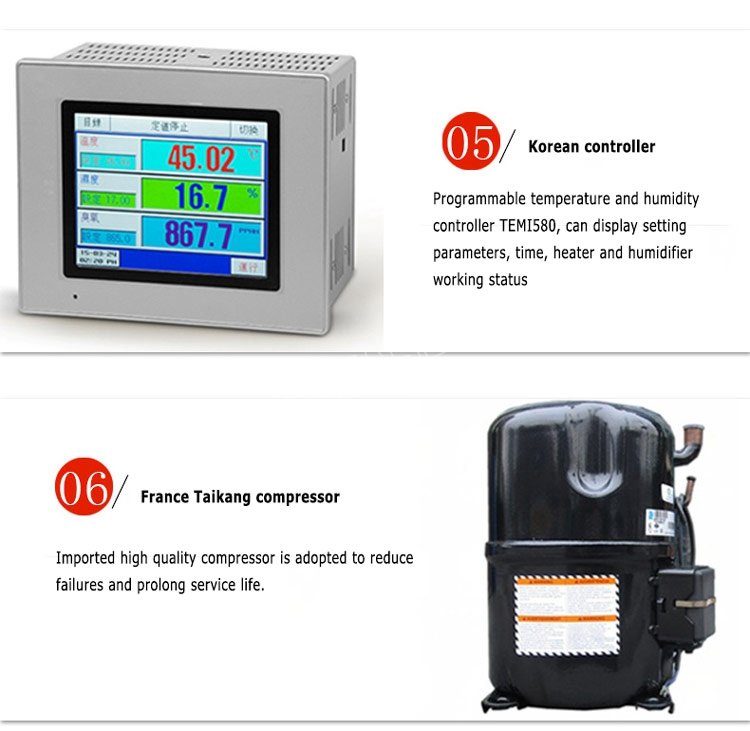
7‑inch 800×480 true‑color touch panel supports Chinese‑English toggle. It stores up to 127 groups of multi‑segment test profiles, each segment configurable up to 530 h 59 min, with maximum 32 000 repeat‑cycle execution. Real‑time curve plotting, fault self‑diagnosis with troubleshooting hints, USB‑disk data‑export and RS232/RS485 remote‑communication are built‑in. Power‑off resume modes (hot‑start / cold‑start / stop) and scheduled power‑on functions are available for unattended testing.
- High‑performance imported refrigeration assembly
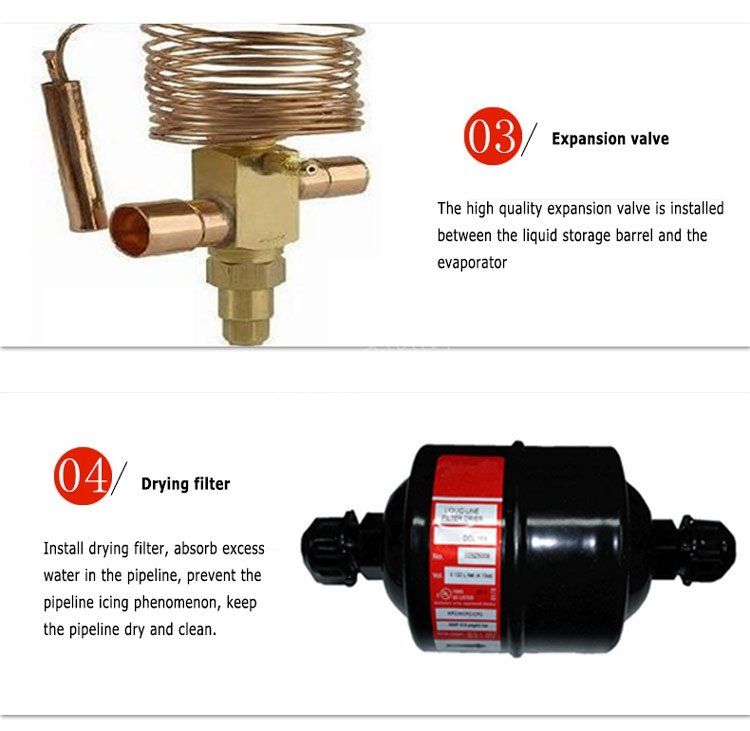
Equipped with Bitzer semi‑hermetic or Copeland fully‑hermetic compressors. Environment‑friendly R404A / R23 refrigerants are deployed. The refrigeration loop applies nitrogen‑shielded welding and vacuum pumping craft. Auto‑adjusting energy‑regulation evaporator adapts variable‑load conditions and reduces frosting risk under long‑time operation. Imported expansion‑valve, oil‑separator and drying‑filter guarantee refrigeration‑circuit dependability.
- Robust cabinet construction & comprehensive multi‑layer safety interlocks
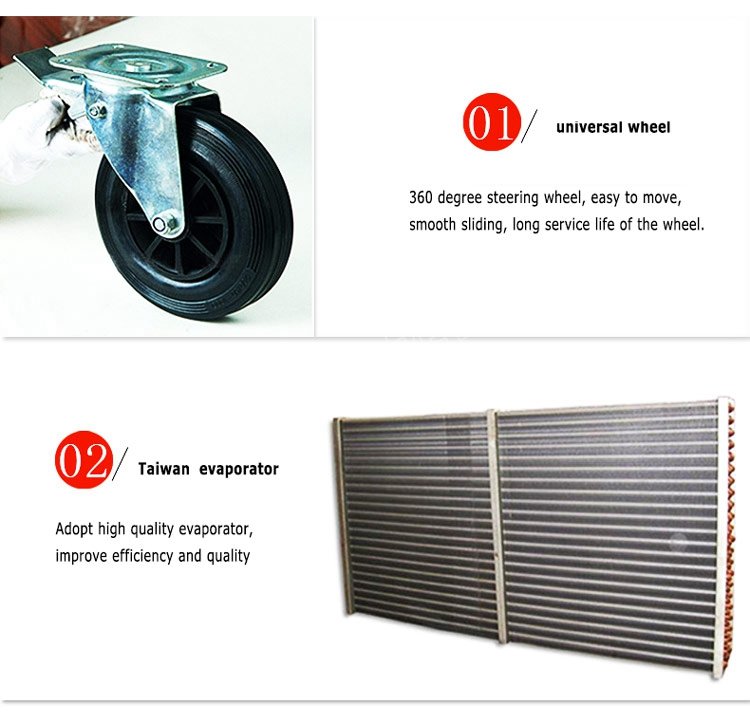
Inner cavity uses SUS304 stainless‑steel sheet. High‑temperature section adopts 24K glass‑wool insulation; low‑temperature section combines PU foam plus glass‑wool composite insulation material. A Φ50 mm reserved test port with silicone plug allows powered‑on sample‑wiring. Complete protective mechanisms include heater dry‑burn‑protection, fan‑overload, compressor high‑pressure / over‑heat / phase‑sequence‑error protection and circuit‑breaker safeguards. Mobile casters plus levelling feet facilitate on‑site positioning.
Complete Technical Parameter Table
| Parameter Item | KR‑310 Standard Specification |
|---|---|
| High‑temperature impact range | +60 ℃ ~ +150 ℃ |
| Low‑temperature impact range | ‑65 ℃ ~ ‑10 ℃ |
| High‑zone pre‑heat setting range | +60 ℃ ~ +200 ℃ |
| Low‑zone pre‑cool setting range | ‑65 ℃ ~ ‑10 ℃ |
| No‑load temperature recovery time | ≤5 min |
| Temperature Uniformity | ±2.0 ℃ |
| Temperature Fluctuation | ±0.5 ℃ |
| Constant‑temperature dwell duration | ≥30 min configurable |
| Pneumatic basket transfer time | ≤10 s |
| Inner chamber dimension(W×H×D) | 500 × 300 × 400 mm |
| Outer overall dimension(W×H×D) | 1390 × 2010 × 2515 mm |
| Inner / Outer Cabinet Material | SUS304 stainless‑steel / Powder‑coated steel plate |
| Insulation | Hot zone:24K glass wool; Cold zone:PU foam + glass wool |
| Refrigerant | R404A, R23 eco‑friendly refrigerant |
| Controller | AT‑5188 true‑color touch‑PLC |
| Communication Interface | RS‑232, RS‑485, USB data‑export |
| Input Power Supply | AC 380V 3‑phase 4‑wire 50 Hz |
| External Air‑source Requirement | ≥0.6 MPa compressed‑air |
Compliance Standards: GB/T 2423.1, GB/T 2423.2, GB/T 2423.22, GJB360.7‑87, GJB367.2‑87, IEC 60068‑3
Standard Complete Test Operating Workflow
-
Pre‑Test Preparation
Place unit on level well‑ventilated floor. Supply qualified ≥0.6 MPa compressed‑air source. Inspect refrigeration system, pneumatic‑cylinder shuttle‑basket, circulating‑fan and full safety‑alarm functions. Mount test‑pieces onto stainless‑steel sample trays; keep proper clearance between specimens for full‑airflow exposure. Close all chamber doors securely. Switch‑on main‑power.
-
Program Configuration
On touch‑screen HMI, create or recall saved multi‑segment thermal‑shock profile: define hot‑zone temperature, cold‑zone temperature, dwell‑time for each zone and total shock‑cycle quantity. Select power‑off‑resume logic and enable data‑logging function. Start pre‑heating / pre‑cooling; wait for hot‑cold zones to stabilise at target set‑points.
-
Execute Hot‑Cold Thermal‑Shock Test
Launch test sequence. Pneumatic cylinder drives sample basket to shuttle back‑and‑forth between high‑temperature and low‑temperature zones automatically. System records temperature curves and running‑history continuously. The chamber stops automatically once completing preset total‑cycle count.
-
Specimen Retrieval & Performance Assessment
After program termination, wait until sample basket temperature rises close to ambient range before opening doors. Take‑out DUTs. Inspect for cracks, coating‑peeling, solder‑joint‑failure, deformation and other thermally‑induced defects. Document observations for QC‑reports. Multiple replicate‑specimen tests are recommended for statistically‑valid conclusions.
-
Post‑Test Tidying
Clear dust and debris inside test‑basket and cavity. Export stored test data via USB‑disk if needed. Reset program‑parameters. Shut‑down main‑power for long‑term idle storage. Periodically check refrigeration‑circuit status, door‑seal gaskets and pneumatic‑system tightness.
Wide Industrial Application Scenarios
Automotive‑Electronics Manufacturing Enterprises
Semiconductor & Electronic Component Factories
Aerospace & Military‑Industry R‑D Departments
Rubber‑Plastic & New‑Material Research Institutes
Third‑Party Accredited‑Testing‑Organizations
Standard Factory‑Full‑Delivery Kit
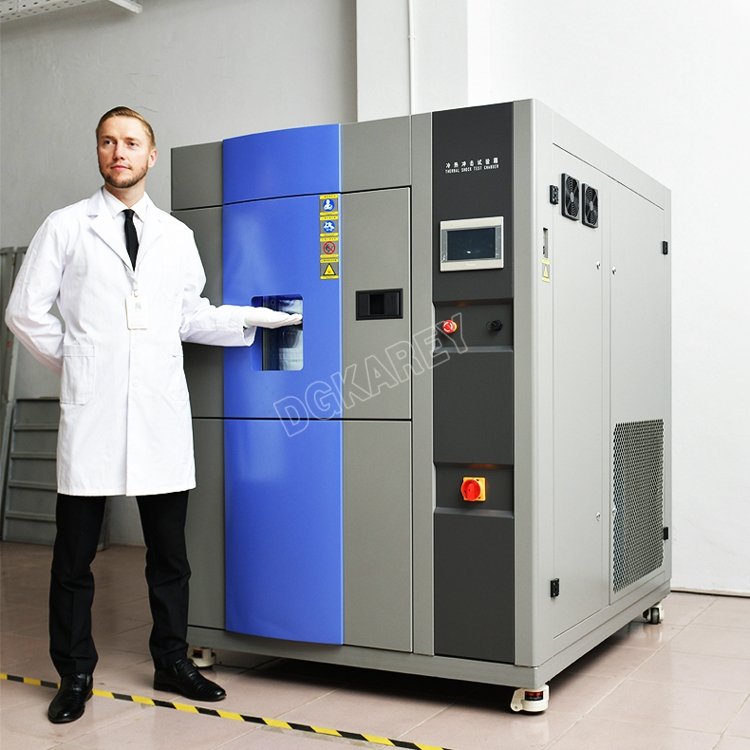
- KR‑310 two‑zone thermal‑shock test chamber main floor‑standing host‑unit
- Pneumatic shuttle‑basket assembly, two‑sets SUS304 sample‑holding trays
- Φ50 mm test‑port silicone sealing‑plug
- AT‑5188 true‑color touch‑PLC control‑module with data‑logging function
- Power‑supply connecting‑cable
- Multilingual printed‑operation‑manual complying with GB‑GJB‑IEC‑relevant‑test‑specifications
- Factory‑issued performance‑inspection‑certificate
Optional spare‑parts & custom‑options: custom inner‑chamber dimension upgrade, spare sealing‑gaskets, overseas‑target‑voltage adaptation, auxiliary monitoring‑software for PC data‑acquisition.
Global Distributor & After‑Sales‑Support
Product‑Banner‑Marketing‑Slogan
Core‑Feature‑Labels‑For‑Product‑Images
Safety‑Operation‑Reminder

DGKAREY – Your Reliable Partner in Global Supply
We go beyond supplying testing equipment. Our team manages the full journey — from export procedures to delivery at your door — ensuring efficiency, transparency, and peace of mind.
Related products
-
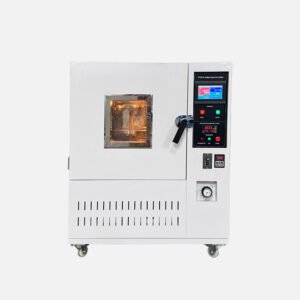
KR‑326 Air‑Exchange Ventilated Thermal Aging Test Chamber
-
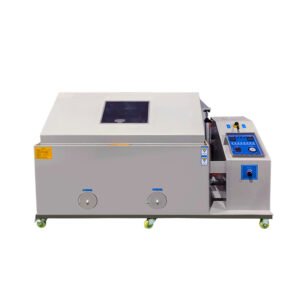
KR‑327 Series Neutral‑Acid Accelerated Salt‑Spray Corrosion Test Chamber
-

KR‑308A Series Benchtop UV‑Fluorescent Accelerated Weathering Test Cabinet
-
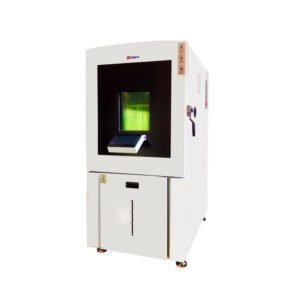
KR‑301 Touch‑Screen Programmable Constant‑Temperature Humidity Climatic Chamber
-

KR‑315 Programmable Dust Test Chamber
-
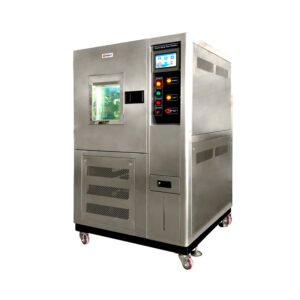
KR‑312 Dynamic Ozone Aging Test Chamber
-
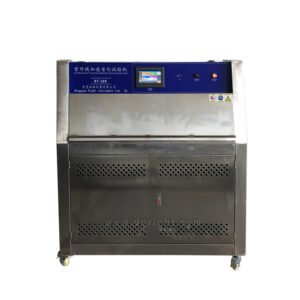
KR‑308 Fluorescent UV Accelerated Weathering Chamber
-
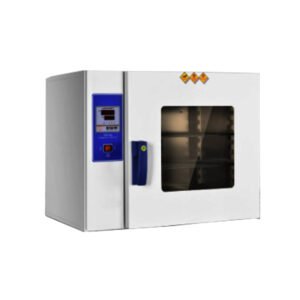
KR‑306 High‑Temperature Electric Blast Drying Oven