Product Overview
Core Product Competitive Advantages
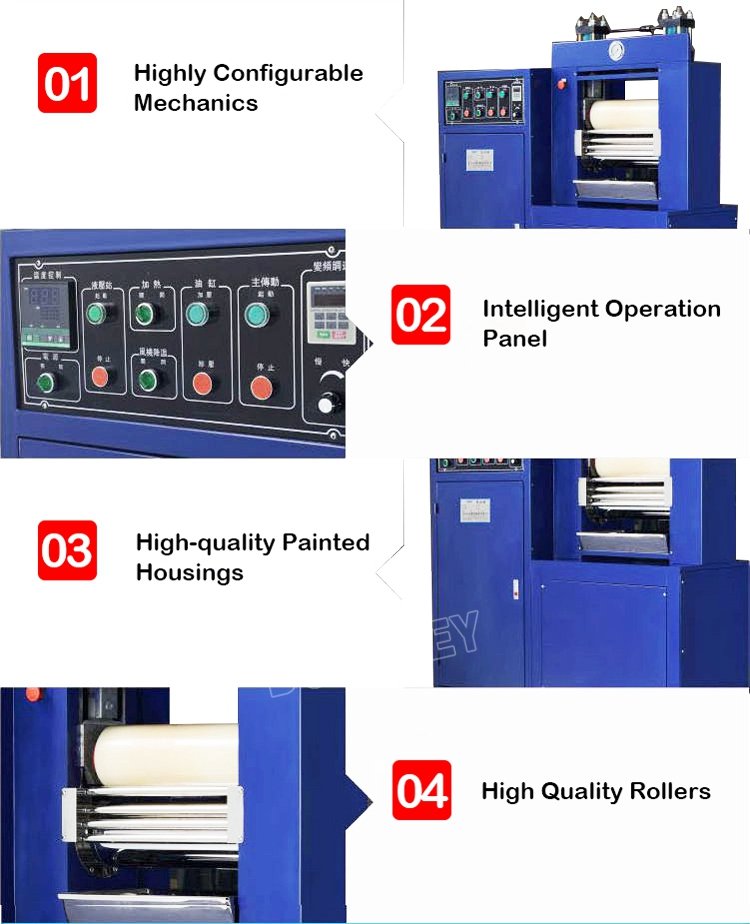
- Specialised Dual‑Roller Matching Structure for Textile Finishing Simulation
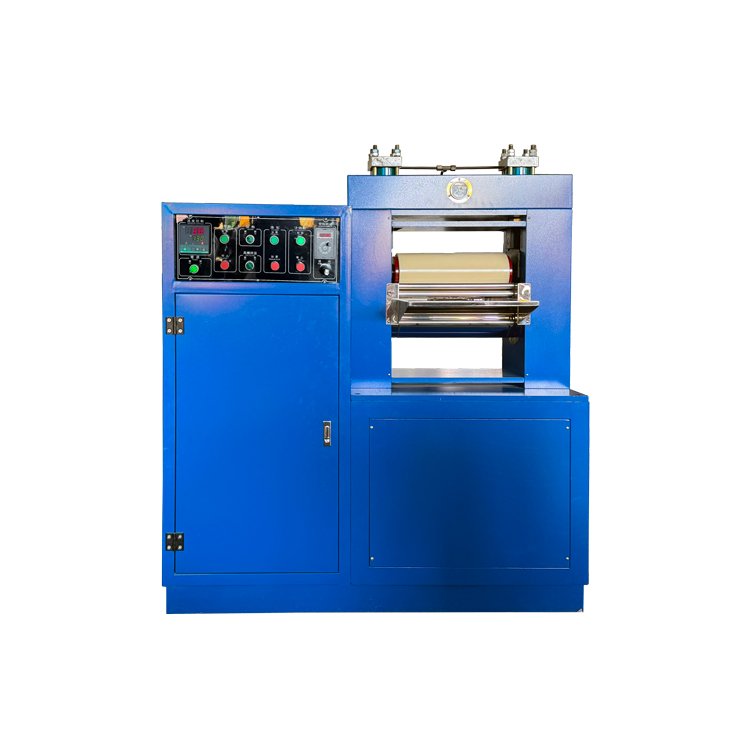
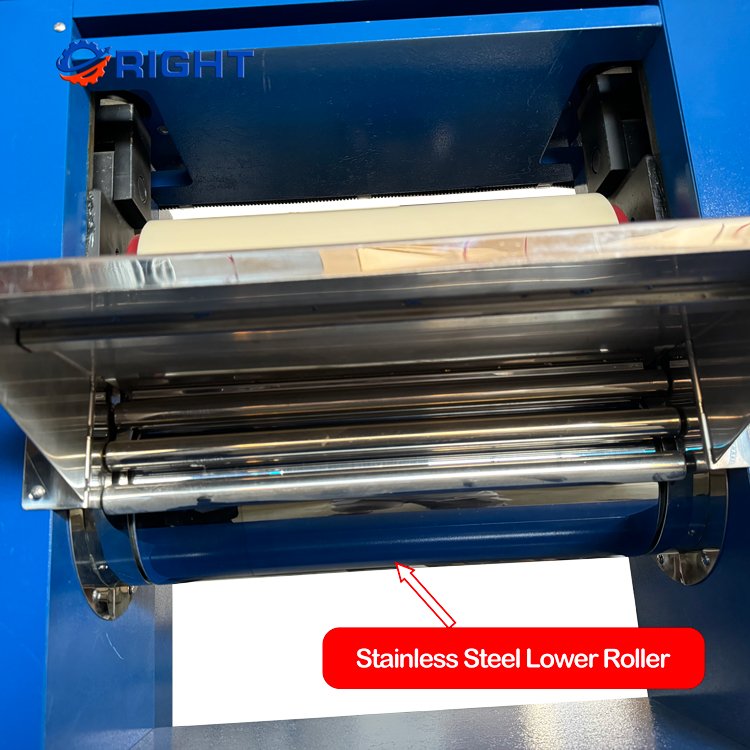
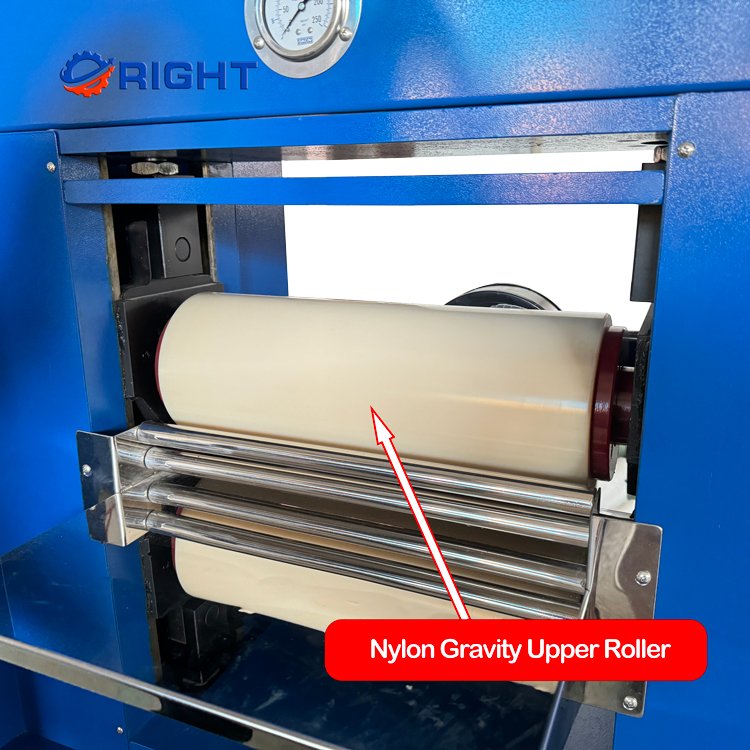
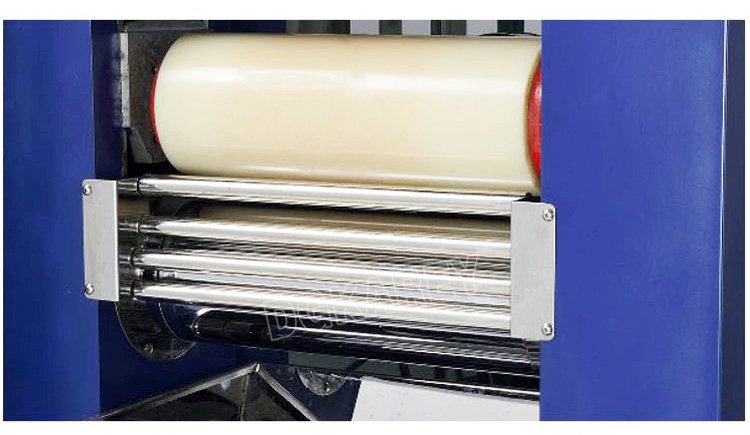
Upper roller is high‑temperature‑resistant nylon gravity roller; lower roller adopts mirror‑chrome‑plated stainless‑steel heating roller. Chrome‑plated surface delivers outstanding hardness, anti‑adhesion and wear‑resistance. Different pressure‑temperature‑speed combinations generate varied gloss and smoothness results for cotton, linen, synthetic fibre and mixed textile samples.
- Hydraulic High‑Pressure System with Precise Pressure Regulation
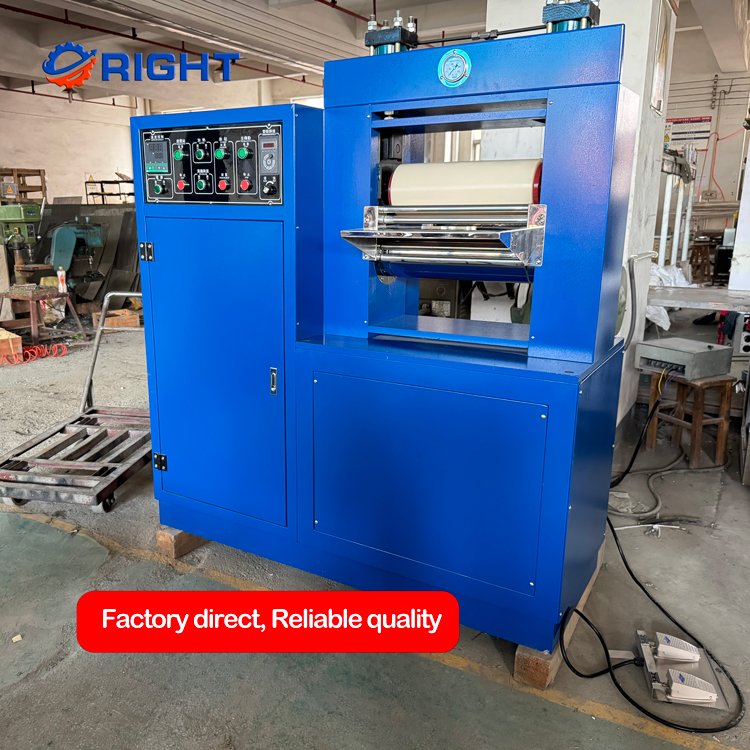
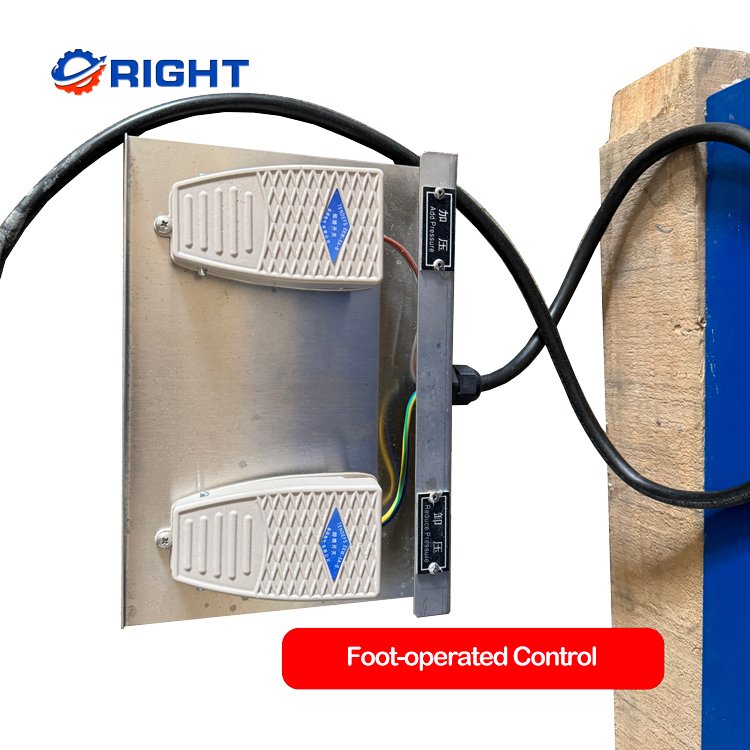
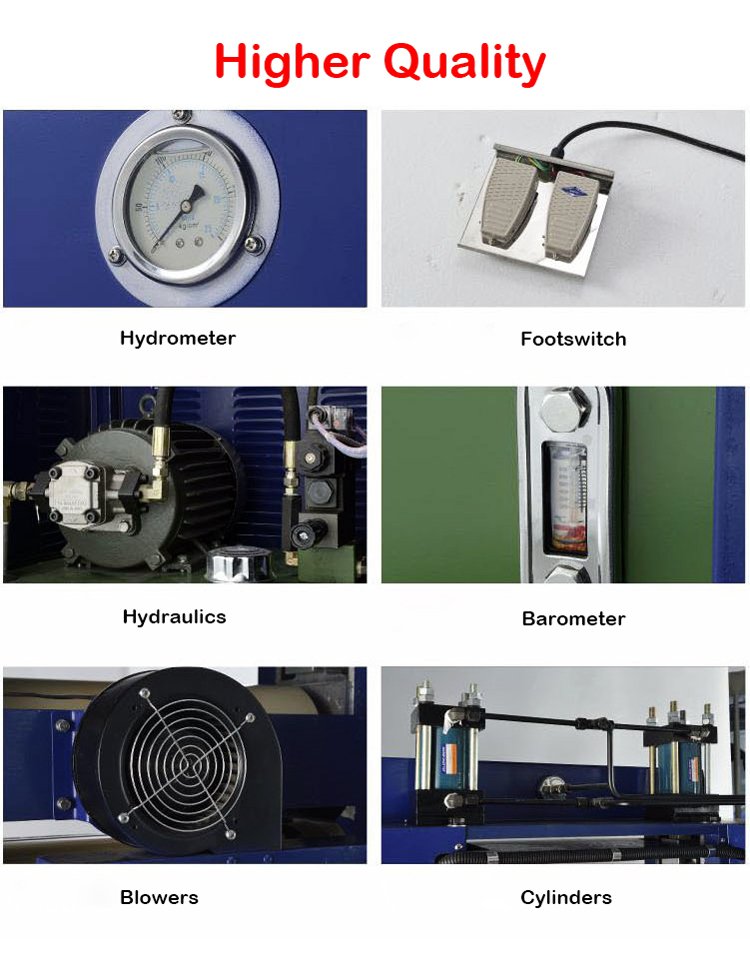
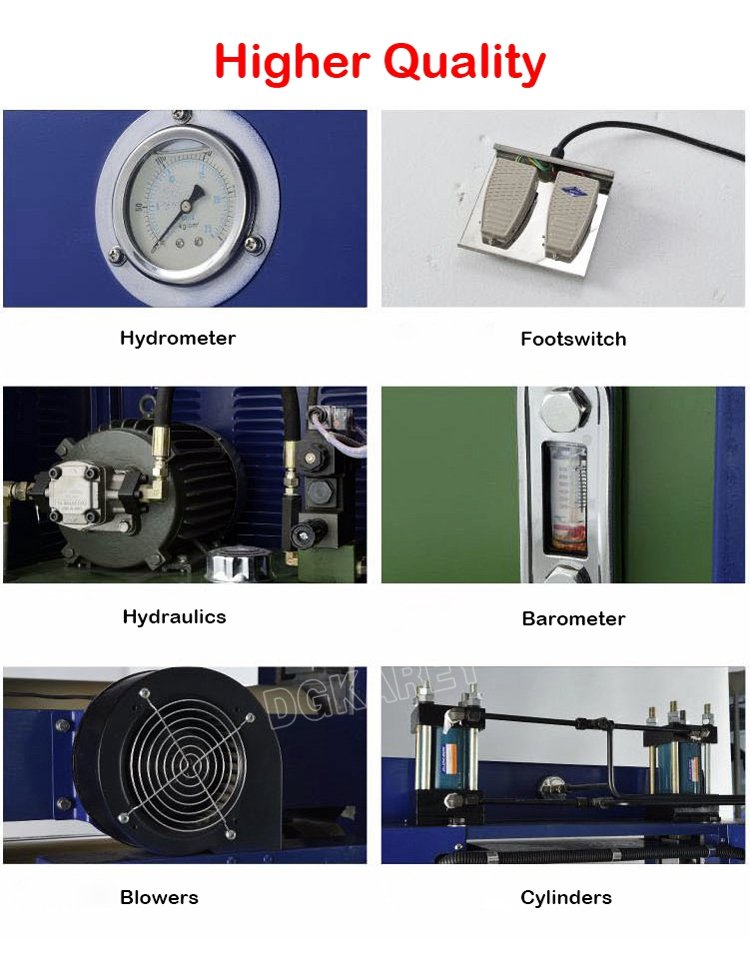
Full‑hydraulic power system supports maximum 5‑ton line pressure. Equipped with real‑time pressure‑gauge display. Built‑in time‑relay module manages pressurisation holding‑time and pressure‑release interval, avoiding long‑duration static compression which may damage the nylon upper roller. Foot‑pedal control frees operator’s hands for convenient fabric feeding operation.
- Circulating Oil‑Temperature Heating System for Homogenous Thermal Output
3 kW oil‑circulation heating assembly delivers even heat distribution across the whole roller surface, maximum working temperature reaches 180 °C. Operators can set target temperature according to fibre‑type requirements. Integrated forced‑air‑cooling fan accelerates roller cooling‑down after test completion.
- Frequency‑Conversion Stepless Speed‑Regulating Drive Unit
Fabric feeding speed ranges from 0‑6 m/min for flexible matching of different finishing‑process requirements. The drive system requires rollers to keep rotating before applying pressure, effectively preventing permanent roller deformation caused by static squeezing.
- Integrated Cabinet‑Type Frame with Complete Safety‑Interlock Logic
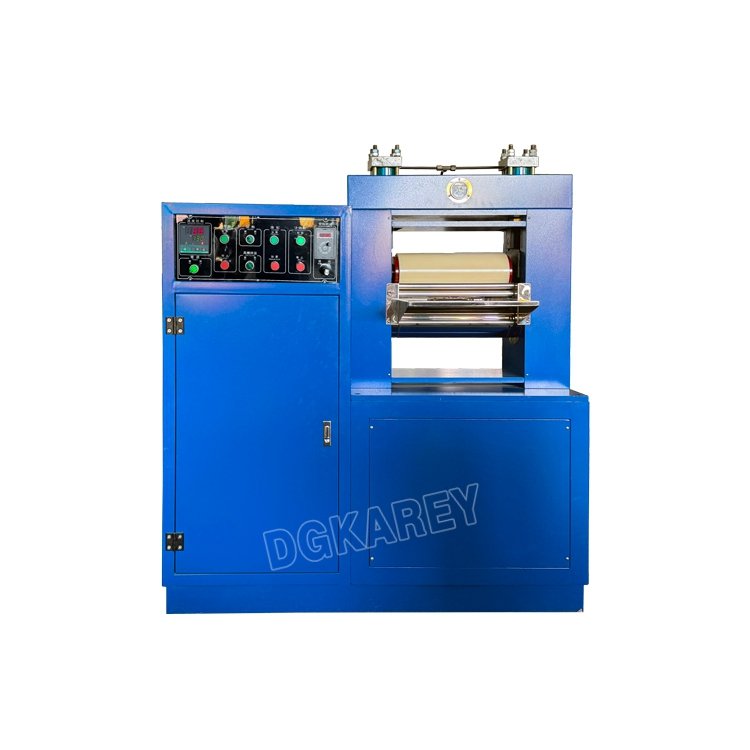
All hydraulic power‑pack, electric‑control components and cooling‑fan are housed inside heavy‑duty steel cabinet. The control panel centralises all switches, indicators and parameter‑setting knobs. The machine supports non‑standard modification for roller width and auxiliary‑fixtures to satisfy custom lab‑test demands.
Complete Technical Parameter Table
| Parameter Item | KR‑851 Standard Specification |
|---|---|
| Core Functions | Fabric surface flattening, gloss finishing, heat‑transfer printing simulation |
| Feeding Speed | 0‑6 m/min, frequency‑conversion stepless adjustable |
| Max Hydraulic Line Pressure | 5 T |
| Heating Mode | Circulating oil‑temperature heating, rated heating‑power 3 kW |
| Max Working Temperature | 180 °C |
| Upper Roller | Nylon gravity roller, dimension: W400 mm × Φ150 mm |
| Lower Roller | Mirror chrome‑plated stainless‑steel heating roller, dimension: W400 mm × Φ150 mm |
| Total Installed Power | 7 kW |
| Power‑Supply | AC 380V, 50 Hz |
| Overall Outer Dimension(L×W×H) | 1430 × 400 × 1650 mm |
| Complete‑Machine Net Weight | 1200 KG |
Standard Complete Test / Simulated‑Finishing Operating Workflow
-
Pre‑Test Preparation
Position machine on solid level workshop floor. Verify reliable equipment grounding. Check hydraulic‑station oil‑liquid level, foot‑pedal linkage and cooling‑fan condition. Power‑on main‑unit. Confirm hydraulic‑motor rotation‑direction complies with specification. Prepare pre‑conditioned fabric test‑samples.
-
Parameter Configuration
Start hydraulic‑station. Set pressurisation‑holding‑duration and pressure‑release interval via electric‑box time‑relay. Configure target processing temperature, wait for roller surface to achieve full thermal equilibrium. Set fabric‑feeding line‑speed. Important operating‑rule: always start roller rotation first before applying hydraulic pressure. Static long‑time squeezing without rotation will cause permanent damage to nylon roller.
-
Fabric Feeding & Calendering Simulation
Feed textile sample steadily into roller nip by manual guidance via foot‑pedal operation. Adjust hydraulic pressure amplitude gradually (minimum initial pressure approx.15 kg). Observe gloss, smoothness and hand‑feel changes of output fabric. Fine‑tune temperature, pressure or speed if finishing‑effect fails to meet expectation.
-
Sample Evaluation & Process‑Recording
Collect processed fabric specimens. Compare surface gloss, flatness and tactile‑feeling against reference‑sample. Record full‑set process‑parameters: speed, temperature, line‑pressure for repeat‑testing and process‑documentation. Multiple replicate runs are recommended for stable‑process‑formula confirmation.
-
Post‑Test Shutdown & Maintenance
Release hydraulic pressure completely. Keep rollers rotating, activate cooling‑fan and cool rollers down below 60 °C. Only cut‑off main‑power after temperature drops. Clean roller surface to clear fabric fibre residues. Inspect hydraulic‑station oil‑condition. When equipment stays idle for extended periods, ensure rollers remain fully separated without contact pressure.
Emergency‑handling note: Under sudden power‑failure or accident‑situation, manually open hydraulic‑station relief‑valve to release pressure and separate upper‑lower rollers, avoid long‑term static compression damaging nylo
Wide Industrial Application Scenarios
Textile Dyeing‑Finishing Manufacturing Enterprises
Synthetic‑Fibre & Blended‑Material R&D Departments
Textile‑Printing Factories
University Textile‑Engineering Teaching‑Laboratories
Third‑Party Textile‑Process‑Development‑Institutes
Standard Factory‑Full‑Delivery Kit
- KR‑851 laboratory textile two‑roll calendering‑machine main‑unit
- Matching nylon gravity upper‑roller and chrome‑plated stainless‑steel heating‑lower‑roller assemblies
- Complete hydraulic‑power‑station system with pressure‑gauge and time‑relay‑control module
- Circulating oil‑heating assembly plus forced‑air cooling‑fan unit
- Foot‑pedal operation‑control assembly
- Central electrical‑control cabinet with frequency‑conversion drive components
- Power‑supply connecting‑cable
- Multilingual printed‑operation‑manual including process‑setting, safety‑operation and daily‑maintenance guidelines
- Factory‑issued performance‑inspection‑certificate
Optional spare‑parts & custom‑options: replacement nylon roller, custom‑working‑width roller assembly.
Global Distributor & After‑Sales‑Support
Product‑Banner‑Marketing‑Slogan
Core‑Feature‑Labels‑For‑Product‑Images
Safety‑Operation‑Reminder

DGKAREY – Your Reliable Partner in Global Supply
We go beyond supplying testing equipment. Our team manages the full journey — from export procedures to delivery at your door — ensuring efficiency, transparency, and peace of mind.
Related products
-
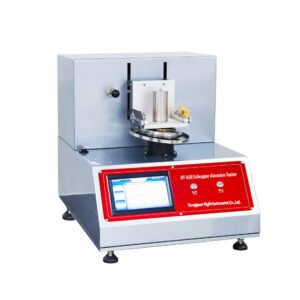
KR‑858 Schopper‑Type Rotary Textile Abrasion Tester
-
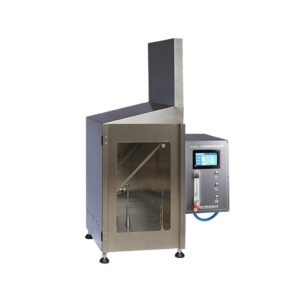
KR‑813D Large‑Size 45‑Degree Textile Flammability‑Performance Tester
-

KR‑855A Laboratory Fabric Sample Stenter with Independent Steam‑Generator Unit
-
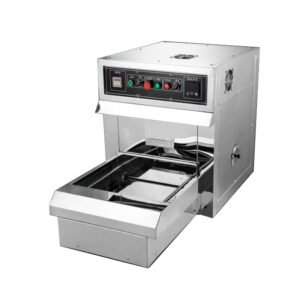
KR‑855 Laboratory Mini Fabric Sample Stenter & Heat‑Setting Dryer
-
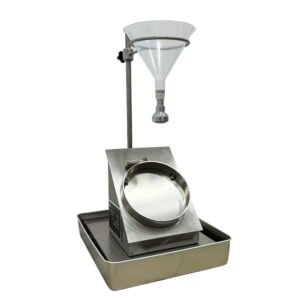
KR‑828A Fabric Spray‑Type Water‑Repellency Rating Tester
-

KR‑852 Series Laboratory Textile Padding Mangle (Lab Padder)
-
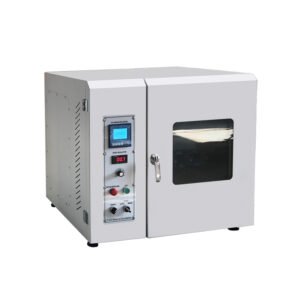
KR‑839A Infrared High‑Temperature Laboratory Sample Dyeing Machine
-

KR‑813A Vertical Fabric Flammability Tester